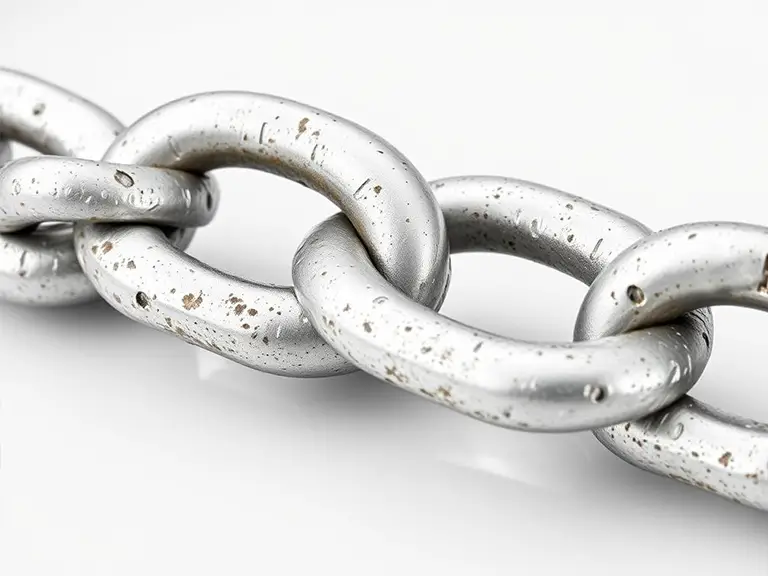
لتحديد حجم سلسلة المرساة، استخدم الفرجار لقياس قطر السلك (سُمك الحلقة المعدنية) للحجم الأساسي. يجب عليك أيضًا قياس المسافة بين الحلقات (طول الجزء الداخلي) والعرض الكلي للتأكد من توافقها مع الرافعة. تأكد من القياس على بُعد بضع حلقات من اللحامات والتراكمات. أفضل طريقة للقيام بذلك هي قياس قطر السلك والمسافة بين الحلقات لمطابقة بكرة السلسلة على الرافعة. هذا مهم لضمان عمل السلسلة بشكل صحيح.
الأدوات والتحضيرات اللازمة للقياس الدقيق
استخدم الفرجار (الورنية أو الرقمية) للحصول على أدق النتائج. يمكن استخدام المسطرة أو شريط القياس، لكنهما أقل دقة، خاصةً مع السلاسل البالية أو المطلية.
قبل القياس، نظّف بقايا الملح والطلاء السميك. ثم اختر 5 حلقات عشوائية للقياس. تجنّب الحلقات البالية أو المتمددة أو المشوهة بشكل واضح.
خطوة بخطوة: كيفية قياس أبعاد حلقات السلسلة
قم بقياس 5 حلقات غير متجاورة، وتجنب منطقة اللحام، ثم احسب متوسط النتائج. هذا يقلل من الأخطاء الناتجة عن الحلقات المعيبة الفردية ويعطي تمثيلاً أدق لسلسلتك.
- قياس قطر السلك (حجم السلسلة): قم بقياس جانب الوصلة حيث يكون الفولاذ مستديرًا ومتجانسًا، بعيدًا عن اللحام. خذ عدة قراءات واحسب المتوسط.
- قم بقياس طول الوصلة الداخلية (الخطوة)قم بقياس الطول الداخلي للوصلة من أحد الحواف الداخلية إلى الحافة الأخرى. هذا البعد بالغ الأهمية لضمان التوافق مع الغجر.
- قياس عرض الرابط الداخلي: قم بقياس العرض الداخلي من حافة داخلية إلى أخرى. على الرغم من أن حساسيته أقل من حساسية درجة الصوت، إلا أنه لا يزال يؤثر على سلاسة تعشيق الغجر.
قائمة مراجعة سريعة:
- نظف الرابط (أزل القشرة وقم بالطلاء).
- اختر 5 روابط عشوائية.
- قم بقياس قطر السلك بعيدًا عن اللحام.
- قم بقياس الطول والعرض الداخليين.
- قم بحساب متوسط كل بُعد.
- وحدات التسجيل (مم أو بوصة).
نموذج سجل القياسات الموصى به:
| البند | ما الذي يجب تسجيله؟ | مثال |
|---|---|---|
| قطر السلك | متوسط 5 قراءات | 8.0 مم |
| الطول الداخلي | متوسط 5 قراءات | 24.0 مم |
| العرض الداخلي | متوسط 5 قراءات | 10.0 مم |
| ملحوظات | مقاومة للتآكل/الطلاء/التمدد | “"استخدام خفيف، تم تنظيفه"” |

معايير سلاسل التثبيت الشائعة وأماكن استخدامها
تُعدّ المعايير مهمة لأن سلسلتين قد تتشاركان نفس القطر ولكنهما تختلفان في الخطوة والعرض. وهذا غالباً ما يكون السبب الرئيسي لمشاكل الرافعة.
DIN 766 – سلسلة حلقات قصيرة مترية
يُعدّ معيار DIN 766 معيارًا شائعًا للوصلات القصيرة المترية، ويُحدد بقطر السلك وهندسة الوصلة. ويُستخدم على نطاق واسع حيثما تكون هناك حاجة إلى تركيب مُعاير.
إذا كنت تتطابق مع غجرية، فتأكد من الطول والعرض الداخليين، وليس القطر فقط.
ISO 4565 – سلسلة معايرة مترية
معيار ISO 4565 هو معيار متري مصمم لضمان توافق الرافعة. وهو يضمن أبعاد وصلات متسقة لتشغيل سلس للرافعة.
إذا كان دليل الرافعة الخاص بك يحدد معيار ISO، فاستخدم معيار ISO، وليس معيار DIN "القريب بما فيه الكفاية"، إلا إذا أكد المصنع التوافق.
BBB – سلسلة ذات وصلات قصيرة في أمريكا الشمالية
يشير مصطلح BBB إلى نمط سلسلة ذي حلقات قصيرة غالباً ما يقترن بالرافعات. حلقاته أكثر إحكاماً من حلقات السلاسل متعددة الأغراض.
لا تفترض أن مقاس BBB يطابق مقاسًا متريًا محددًا. قم بالقياس وتأكد من مطابقته لمواصفات الغجرية.
G4 (عالي الاختبار) – سلسلة أقوى للتثبيت في الولايات المتحدة
سلسلة G4، أو سلسلة Hi-Test، هي سلسلة عالية المتانة تُستخدم عادةً في أنظمة التثبيت الأمريكية. مع ذلك، لا تُعوّض المتانة عن عدم تطابق درجة الميل. حتى السلسلة القوية قد تُعطّل بكرة التثبيت.
أبعاد مرجعية وفقًا لمعيار DIN 766 (دليل إرشادي على سبيل المثال؛ تحقق دائمًا من المورد أو دليل الرافعة):
| حجم السلسلة (مم) | قطر السلك (مم) | الطول الداخلي (مم) | العرض الداخلي (مم) |
|---|---|---|---|
| 6 | 6 | 18.5 | 8 |
| 7 | 7 | 22 | 9 |
| 8 | 8 | 24 | 10 |
| 10 | 10 | 28 | 14 |
| 11 | 11 | 31 | 14 |
| 13 | 13 | 36 | 18 |
مطابقة السلسلة مع الرافعة (الغجرية): الفحص العملي
لمطابقة بكرة الرافعة، يجب مطابقة قطر السلسلة وطولها الداخلي (الخطوة) وعرضها الداخلي مع مواصفات البكرة. أما مطابقة القطر فقط فهي مجازفة.
ابدأ بمراجعة دليل الرافعة أو علامات البكرة. ابحث عن المعيار المحدد (DIN، ISO، BBB، أو G4) وحجم السلسلة. إذا لم يتوفر الدليل، فقم بقياس سلسلتك ومقارنتها بجدول السلاسل الخاص بالشركة المصنعة.
بعد اختيار السلسلة، اختبرها. مرر طولاً قصيراً منها عبر البكرة تحت حمل خفيف وتحقق من عدم وجود تسلق أو قفز أو انحشار.

ملاحظات سريعة حول الاختيار بعد القياس
بعد قياس وتحديد أبعاد السلسلة ومعاييرها، اختر سلسلة تتوافق مع معايرة الرافعة لديك. هذا يمنع التلف والتآكل المكلف.
لضمان المتانة، اختر سلسلة مصممة خصيصًا للتثبيت. تحقق من حد الحمل الآمن (WLL) وقوة الكسر المحددة من قبل الشركة المصنعة لحجم السلسلة. تجنب استخدام سلاسل ذات أشكال هندسية مختلفة في حبل واحد إذا كنت تستخدم رافعة مرساة.
اجعل المنظار عمليًا. في الظروف الهادئة، نسبة 5:1 مناسبة. للاستخدام العام، استهدف نسبة 7:1. في الأحوال الجوية العاصفة، خطط لنسبة 10:1 إذا كان لديك مساحة كافية للتأرجح.
أخطاء القياس الشائعة وكيفية حلها
معظم مشاكل "المقاس الخاطئ" تنجم عن أخطاء في القياس، وليس عن أخطاء حسابية. إذا تم تصحيح العملية، سيتضح مقاس السلسلة الصحيح.
| المشكلة التي تراها | السبب المحتمل | ما يجب القيام به |
|---|---|---|
| يبدو القطر غير متناسق | يتم القياس بالقرب من اللحام أو على سطح مستوٍ مهترئ | قم بالقياس بعيدًا عن اللحام؛ استخدم متوسط 5 وصلات. |
| السلسلة "تكاد تناسب" الغجرية لكنها تتخطى | عدم تطابق النغمة | تأكد من مطابقة الطول الداخلي مع مواصفات الغجر. |
| القياسات تبدو أكبر من اللازم | تراكم القشرة الملحية أو الطبقة | نظف السطح حتى يظهر الفولاذ قبل القياس. |
| انحشار السلسلة تحت الحمل | معيار خاطئ أو وصلات مشوهة | تحقق من المعايير؛ افحص وجود أي تمدد أو تشوه. |
| أنت بين مقاسين | سلسلة ملابس أو سلسلة مختلطة | قم بقياس المزيد من الحلقات؛ تعامل معها كسلسلة مشتبه بها. |
الملخص
تلتزم شركة هينجر لمستلزمات الشحن بتوفير أفضل المنتجات والخدمات. حلول المعدات البحرية. نعلم أن اختيار سلسلة المرساة المناسبة أمر بالغ الأهمية لضمان سلامة وفعالية العمليات البحرية. عند اختيار سلاسل المرساة، يجب مراعاة أمور مثل مواصفات السفينة، وظروف الإرساء المتوقعة، وأي متطلبات سلامة خاصة.
الأسئلة الشائعة
قم بقياس 5 وصلات واحسب متوسط النتائج. تجنب الوصلات المتجاورة ومنطقة اللحام لتقليل الأخطاء.
اعتبر ذلك بمثابة تحذير. قد تؤثر السلسلة البالية أو المتمددة، بالإضافة إلى الطلاءات، على دقة القراءات. نظّف السلسلة، وقِس المزيد من الحلقات، وقارنها بالمواصفات القياسية.
نعم، لكن الدقة تتأثر. إذا اضطررت لاستخدام المسطرة، فقم بالقياس بدقة، وكرر العملية عدة مرات، ثم احسب متوسط النتائج. أما الفرجار فهو أكثر موثوقية.
ابدأ بدليل استخدام الرافعة، ثم تحقق من ذلك بقياس أبعاد السلسلة. قد لا تكون العلامات الموجودة على السلسلة واضحة دائمًا. يؤكد قياس القطر والطول الداخلي والعرض الداخلي مطابقة السلسلة للمعيار.
تجنب الخلط بين السلاسل عند استخدام الرافعة. قد تتسبب أشكال الوصلات المختلفة في حدوث تشابك أو انزلاق، حتى لو بدت الأقطار متشابهة. إذا اضطررت إلى تغيير السلاسل، فاستخدم نفس المعيار والأبعاد.