Buoys are crucial in maritime navigation, guiding vessels and marking dangers. Buoys’ durability is key, with their structure and materials playing a significant role. Today, they’re made from advanced composites and specialized foam. These materials help them withstand the marine environment’s harsh conditions.
At Henger Shipping Supplies, we focus on their importance for ship safety. These floating devices are vital for safe passage. Understanding buoy materials is essential for maritime professionals. The right materials ensure reliable navigation and prevent accidents. This is critical for maritime safety.
The Critical Role of Buoys in Maritime Navigation
Buoys are vital for maritime navigation, providing guidance and warning signals. They mark important points, harbors, dangers, and areas of significance. This ensures safe navigation.
Understanding Buoy Functions and Types
Buoys have various types, each with a specific function. Lateral markers define channel boundaries, while special-purpose buoys indicate unique conditions or restrictions. Different colors, shapes, and markings create a standardized language for navigation.
Buoys offer both daytime and nighttime guidance. They have distinctive markings for day and various lighting systems for night. This ensures 24-hour navigational assistance, crucial for vessel safety.
Evolution of Buoy Materials Through History
Materials used in buoys have evolved over time. Early buoys were made of wood but lacked durability. The industrial revolution introduced metal buoys, which were more durable but prone to corrosion.
Today, buoys are made from synthetic materials, offering superior durability and performance. These modern materials have improved buoy longevity and effectiveness, crucial for maritime navigation.

Anatomy of Modern Buoys: Structure and Components
The anatomy of a buoy includes several key components for maritime safety and navigation. Buoys are complex devices, and understanding their structure is essential for appreciating their functionality.
- Hull Design and Buoyancy Mechanisms: The hull is the main floating part of a buoy, responsible for its buoyancy and stability. Modern hull designs vary significantly, affecting stability and visibility. Different shapes and sizes are used based on the buoy’s intended use and environmental conditions.
- Superstructure and Visibility Features: The superstructure houses critical visibility features like lights, reflectors, and distinctive markings. These features are designed to make buoys visible to ships day and night. Modern buoys often use energy-efficient LEDs powered by solar systems with battery backup.
- Mooring Systems and Anchoring Technologies: Mooring systems are crucial for keeping buoys in place. They use concrete or cast-iron sinkers and chains or cables. The mooring chain length is usually three times the water depth, ensuring stability despite tides and weather. Advanced mooring technologies help maintain the buoy’s position in challenging maritime environments.
What Are Buoys Made of? Primary Materials in Modern Buoy Construction
The choice of material for buoy construction is critical. It impacts buoyancy, durability, and ability to operate in various water conditions. Buoys are crafted from a variety of materials, each chosen for its unique properties.
Foam-Based Buoys
Foam-based buoys are made from materials like expanded polystyrene, polyurethane foam, and closed-cell polyethylene foam. These materials are cost-effective and provide excellent buoyancy. To enhance durability, they are often coated with polyurethane. This protects them against UV radiation and physical damage.
- Expanded polystyrene offers good insulation and buoyancy.
- Polyurethane foam is flexible and resistant to abrasion.
- Closed-cell polyethylene foam is durable and resistant to chemicals.
Plastic and Polymer Buoys
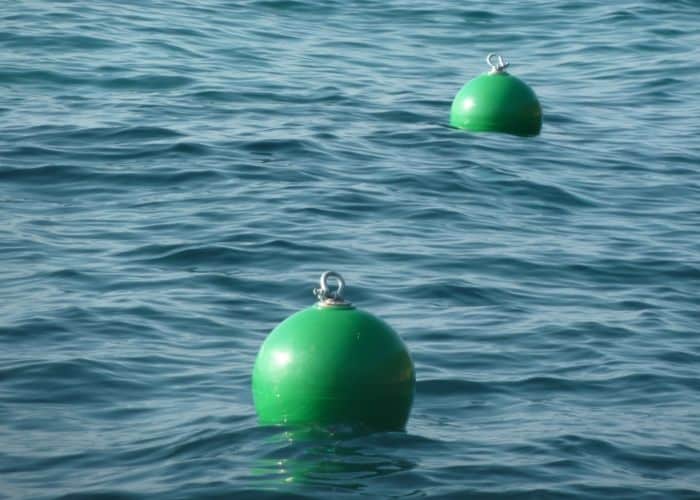
Plastic and polymer buoys are made from materials like polyethylene, polyvinyl chloride (PVC), and nylon. They are flexible and have a good strength-to-weight ratio. However, they can become brittle over time due to extreme temperatures and UV radiation.
- Polyethylene buoys are lightweight and resistant to chemicals.
- PVC buoys offer good durability and are relatively inexpensive.
- Nylon buoys provide high strength and resistance to abrasion.
Metal Buoys
Metal buoys, made from steel, aluminum, or stainless steel, are durable and resistant to impact. They are suitable for high-traffic waterways and harsh environments. Steel buoys require anti-corrosion treatments and regular maintenance. Aluminum buoys are lighter and offer natural corrosion resistance.
- Steel buoys are robust and can withstand harsh conditions.
- Aluminum buoys are corrosion-resistant and lightweight.
- Stainless steel buoys offer superior durability and resistance to corrosion.
Rubber and Elastomer Materials
Rubber and elastomer materials were once common in buoy construction. They are still used where impact absorption and flexibility are key. However, their use has decreased due to degradation over time.
- Rubber buoys provide excellent impact absorption.
- Elastomer buoys offer flexibility and resistance to abrasion.
In conclusion, the selection of material for buoy construction depends on the specific requirements of the maritime environment. By understanding the properties and limitations of different materials, maritime professionals can make informed decisions when selecting buoys for specific applications.
Advanced Materials for Specialized Maritime Buoys
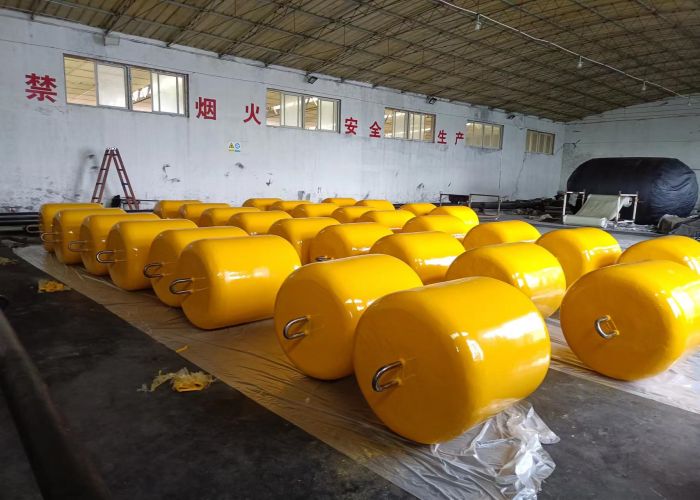
Advanced materials play a crucial role in the development of specialized maritime buoys designed for extreme conditions. These materials provide superior performance, durability, and resistance to harsh marine environments. We will explore the cutting-edge materials that are revolutionizing the maritime industry.
Syntactic Foam Technology for Deep-Water Applications
Syntactic foam technology is a significant advancement in buoy materials. It combines epoxy resin with hollow glass microspheres to create a lightweight material with exceptional strength and pressure resistance.
This technology ensures that buoys maintain their structural integrity and buoyancy at extreme depths, making them ideal for deep-water applications. The density of pure syntactic foam ranges from 380 kg/m³ to 650 kg/m³, and it can be applied at virtually any water depth.
| Syntactic Foam Type | Density (kg/m³) | Maximum Depth (meters) |
| Pure Syntactic Foam | 380-650 | Any depth |
| Synthetic Syntactic Foam | 275-560 | Up to 4,000 |
Composite and Fiberglass Materials
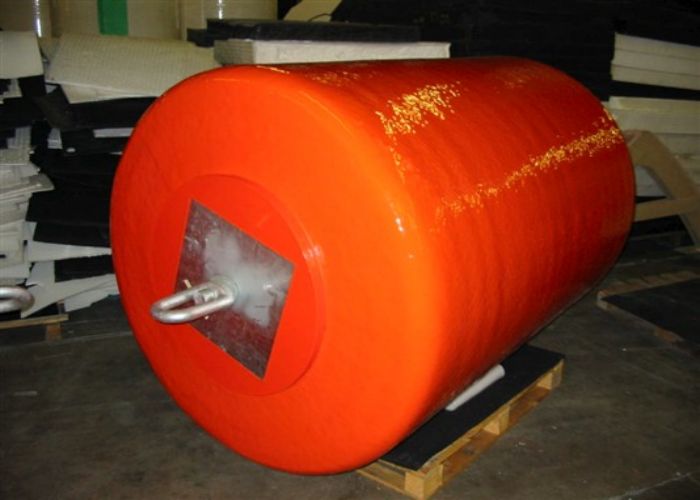
Composite and fiberglass materials blend reinforcing fibers with polymer resins. This creates buoys with outstanding strength-to-weight ratios and corrosion resistance. Fiberglass-reinforced plastic (FRP) buoys stand out for their durability and lightness.
They require less mooring and are easier to handle than metal buoys. These materials are favored for their performance and longevity in maritime settings.
High-Performance Polymers for Extreme Conditions
High-performance polymers, like UHMWPE and advanced thermoplastics, resist harsh conditions. They handle extreme temperatures, chemical exposure, UV degradation, and impact damage well. These materials keep buoys functional and durable in tough environments. They’re ideal for tropical areas with intense sunlight and extreme cold.
Selecting the Right Buoy Material for Specific Applications
Choosing the right buoy material is key to maritime safety and efficiency. Different buoy applications require tailored material selection to meet specific needs.
Deep Water Buoys
Deep water buoys face high pressure and low temperatures. Materials must withstand these conditions. Syntactic foam is often chosen for its exceptional pressure resistance and buoyancy at great depths. The material’s density is crucial for better buoyancy and reduced weight.
- Syntactic foam provides excellent pressure resistance
- Lower-density materials enhance buoyancy and reduce weight
- Material selection must consider extreme pressure and low temperatures
Coastal and Harbor Buoys
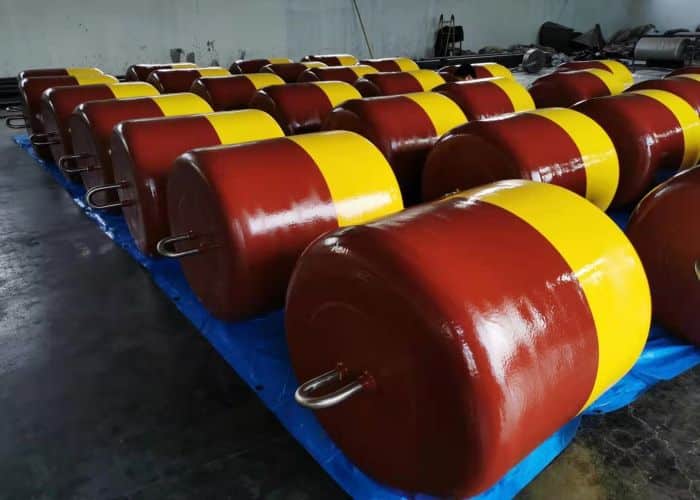
Coastal and harbor buoys face challenges from high vessel traffic and wave action. Materials must balance durability, visibility, and cost. Steel and aluminum are popular for their impact resistance. Fiberglass and plastic are gaining favor for their lower maintenance needs.
- Steel and aluminum offer high impact resistance
- Fiberglass and plastic provide lower maintenance needs
- Material selection must balance durability, visibility, and cost
Special-Purpose Buoys
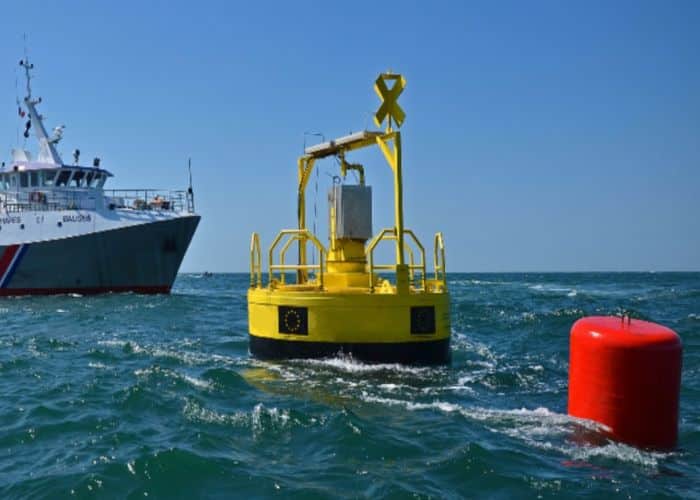
Special-purpose buoys, for research or weather monitoring, need custom materials. These materials must protect sensitive equipment while maintaining buoyancy and stability. Composite materials are often used, offering strength, durability, and environmental resistance.
- Composite materials protect sensitive equipment
- Custom materials are required for specific applications
- Material selection must consider regional temperature extremes and marine growth
In conclusion, selecting the right buoy material is critical for maritime safety and efficiency. By considering the specific requirements of different buoy types and environments, we can make informed decisions. This balances performance, durability, and cost.
Conclusion
Understanding buoy materials is crucial for maritime professionals. The selection of materials is critical for ensuring maritime safety and navigation efficiency. We understand the critical relationship between buoy materials and maritime safety. We guide our clients in selecting the right buoy materials for their specific needs. This ensures optimal performance and longevity.
In Henger Shipping Supplies, we have rich experience in manufacturing marine equipment. Our commitment to quality and innovation is evident in our marine products. These include pneumatic fenders, marine rubber fenders, and marine airbags. By partnering with us, maritime professionals can ensure superior performance in challenging environments. This includes busy harbors and deep-sea applications.
FAQ
How do buoys provide buoyancy in water?
Buoys float due to materials with low density, like foam, or hollow structures that displace water. This allows them to stay afloat on the water’s surface.
What factors influence the selection of buoy materials for maritime navigation?
When picking materials for buoys, we look at water depth, weather, and the aid’s type. This ensures they work well and last long.
Are metal buoys suitable for all maritime environments?
Metal buoys, made from steel and stainless steel, are tough for harsh seas. Yet, they might need extra coatings to stop rust.
How do modern buoys ensure visibility at night or in low-light conditions?
We add lights and reflective parts to buoys. This makes them visible at night or when it’s dark, helping with safe navigation.
What role do mooring systems play in buoy stability?
A strong mooring system keeps buoys stable. It stops them from drifting or capsizing, especially in strong currents or bad weather.
Can buoys be used for purposes other than navigation?
Yes, buoys are used for weather monitoring, ocean research, and as vessel mooring points. They show their versatility in maritime tasks.
How do advancements in material technology impact buoy design?
New materials let us make buoys that last longer, float better, and resist damage. This boosts their performance and life span.