Selecting and maintaining the right anchor chain is crucial for your boat’s safety. The chain’s shape, condition, and fit with the windlass all influence how well your anchor holds. Many boaters spend time comparing anchors, but often overlook the chain. This oversight can lead to the anchor dragging, equipment damage, or difficulty during retrieval.
This guide covers anchor chain performance, available types, and material selection. It also explains how to check the fit and maintain your chain. As a nautical Händler für Schiffsausrüstung, we will focus on the anchor chain itself. Always compare any statements about strength or size with the manufacturer’s data for your specific boat.
What an Anchor Chain Does
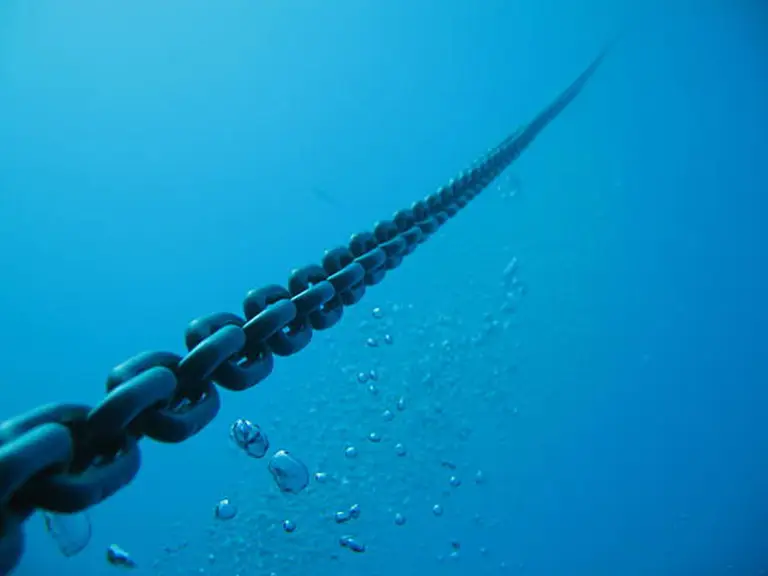
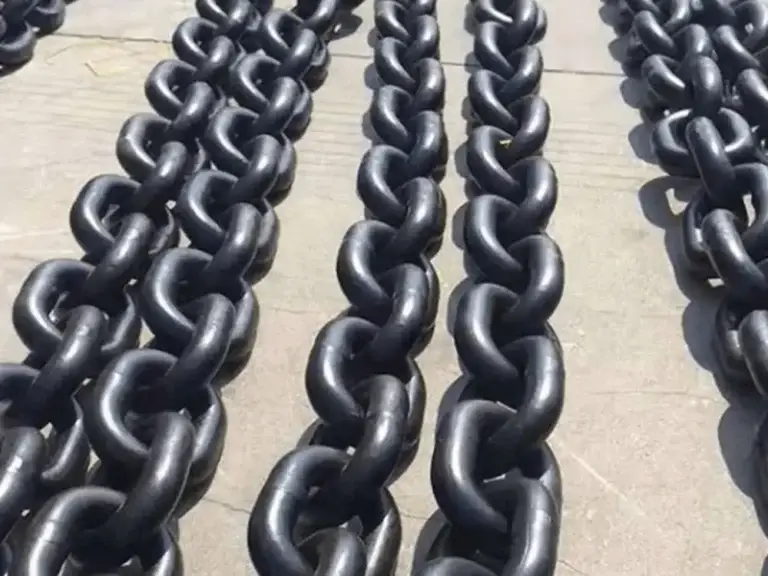
An anchor chain is a series of metal links connecting the boat to the anchor. It forms part of the “anchor rode,” the entire line and chain system. The chain adds weight to the connection, helping the anchor dig into the seabed. It also allows the anchor connection to move freely. These features help the anchor hold firm when you use the correct amount of rode for the weather and water depth.
A chain is especially valuable where ropes could fray or break. Rocks or coral can easily damage a rope, but a chain handles these conditions much better. However, a chain alone does not guarantee a secure hold. The weather, seabed, anchor design, and rode length all determine its effectiveness.
Think of the chain as a mechanical part, not just a material choice. The windlass pulls the links, causing wear that varies with their shape. The hardware connecting the chain to the anchor experiences the most stress and movement. These connection points are the most critical areas to inspect and replace as needed.
Common Anchor Chain Misconceptions
Many common beliefs about anchor chains lead to poor performance or rapid wear. Problems often arise when boaters apply general rules without checking if they suit their specific boat and windlass.
Myth 1: You Always Need an All-Chain Rode
Many people believe every boat requires an all-chain system. This is not true. A mixed system using both rope and chain can work well. However, you must ensure the rope can resist wear and that the rope-to-chain connection is compatible with your retrieval method.
Myth 2: Appearance Equals Quality
Some choose a chain based on looks alone. Stainless steel is attractive and resists rust, but it must still fit the windlass perfectly. Hot-dip galvanized chain is often cheaper and performs well if you keep it clean and check the coating. Base your choice on practical use and proper fit, not just appearance.
Myth 3: Ignoring the Hardware
The chain and its fittings form a complete system. The shackles, swivels, and joining links are often the weakest parts. Mismatched components can jam the windlass or place excessive stress on a single link. Inspect the entire line, from the anchor to the chain locker, to ensure all hardware works together.
Types of Anchor Chains
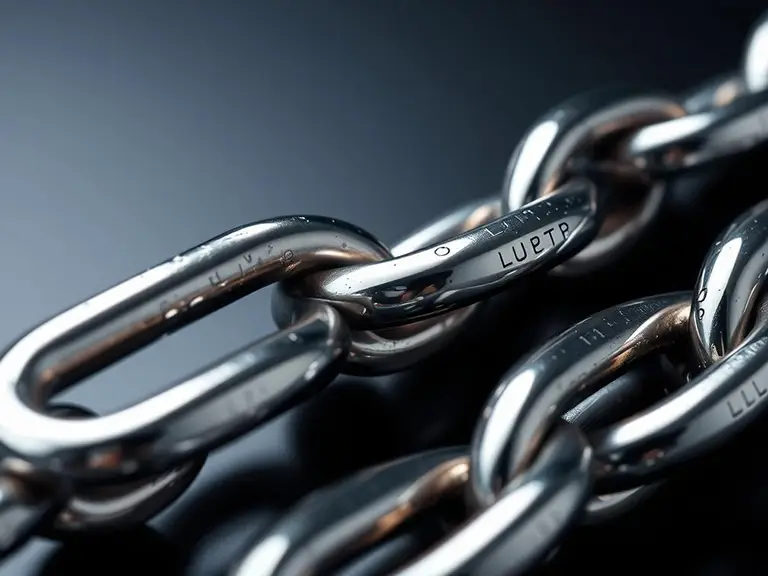
The shape and construction of the links define a chain’s “type.” Categories like stud link, studless, and short link help predict how the chain will handle and wear.
When selecting a chain, follow this order:
- Determine if your windlass requires a calibrated short-link chain.
- Select the link style that best suits your needs.
- Choose a material and coating that will resist corrosion in your local waters.
Calibrated Short-Link Chain
This is the standard for most boats with a windlass. The “short link” design ensures the chain fits precisely into the windlass “gypsy,” the wheel that grips the chain. If the link length or shape is incorrect, the chain will slip or jam.
Always confirm the fit. Check your windlass model and its specific chain requirements. If you intend to pull them through the gypsy, make sure any joining links or swivels can pass through it.
Stud Link Chain
A stud link chain has a bar across the middle of each link. This bar prevents the link from deforming and reduces twisting. It is common on larger vessels and heavy-duty systems. The downside is that it is heavier, bulkier, and harder to stow in small lockers.
If you choose a stud link, ensure your equipment can handle it. Your locker must be large enough, and your bow roller must accommodate its shape. Most importantly, your windlass gypsy must be specifically designed for stud link chain.
Studless (Open-Link) Chain
Studless chain is common and easy to use. When properly calibrated, it works with many windlass designs. The links can move freely, which helps them roll over the gypsy smoothly. However, wear still occurs where links rub against each other, especially in the section that frequently runs through the windlass.
Even with simple open-link chains, you must check the fit. The diameter is not the only factor. The pitch (length) and profile must match your windlass specifications. Also, ensure the hardware connecting to the bow roller and anchor shank does not interfere with its path.
Combination Systems
Some boats use different types of chains. They might have a heavy chain near the anchor for abrasion resistance and a lighter chain or rope closer to the boat. This setup can reduce weight and make handling on deck easier.
Inspect these mixed systems carefully. Joining different chains can create weak points. Ensure any connecting links can articulate freely and pass securely through your windlass.
Material and Grade Choices
The right material and grade depend on how you use your boat. Saltwater, wet-dry cycles, warm water, and anchoring frequency all affect corrosion.
Material Selection
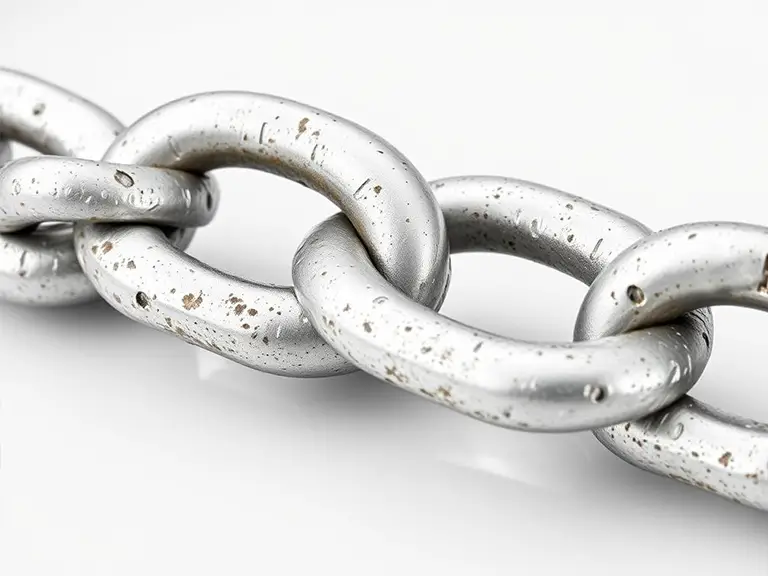
Galvanized coatings work well but have a limited lifespan. They may develop stains as they age. Stainless steel stays cleaner but can suffer from hidden wear and damage. Do not judge strength by appearance alone.
“Grade” refers to the chain’s strength. However, grade labels vary between manufacturers. Always consult the supplier’s data for the exact size and style to understand its strength.
If you change chain sizes, treat it as a new installation. A smaller chain might not fit the windlass correctly, while a larger one could jam. Verify any size change against your windlass manual and test it thoroughly.
Stainless Steel Types
Stainless steel is marketed as rustproof, but its real-world performance depends on water chemistry. Confirm the chain is marine-grade and suitable for underwater use. Even with stainless steel, you must perform inspections. Look for bent links or wear marks, which can occur without rust. If mixing stainless steel with other metals, be aware of the potential for galvanic corrosion.
Environmental Fit Checks
Freshwater slows salt corrosion but does not prevent wear. Coastal saltwater accelerates rust, especially where the coating is compromised. Warm or polluted water can worsen damage.
Map your anchoring habits. Note how often the chain is wet and dry and how frequently it drags on rocks. If you anchor often in harsh conditions, abrasion resistance is more important than just rust prevention. Check your choice against your supplier’s recommendations for your specific waters.
Chain Size, Calibration, and Windlass Fit
A proper fit between your windlass and chain is vital for safety. Minor mismatches can cause skipping or jamming. You often won’t notice a poor fit until the chain is under load.
Link Geometry and Gypsy Engagement
The chain should seat firmly in the gypsy pockets and exit smoothly. If the chain rides high, slips, or jumps, the fit is wrong. This damages the equipment. You should also check the bow roller. The chain path should be straight, without scraping the sidewalls or twisting the link at the anchor.
Calibration Standards
Calibration ensures that all links are uniform in size. This consistency allows the windlass to grip the chain reliably every time. Standards like DIN766 and ISO4565 exist, but your windlass manufacturer’s recommendation is the most important guideline. Before buying, confirm the chain meets that specification.
Perform a fit test. Run the chain in and out under a light load. Listen for unusual noises and watch for skipping. Resolve any issues before using the system in poor weather.
Planning Chain Length
Decide your chain length based on your typical anchoring depth and required “scope” (the ratio of rode to depth). A 5:1 scope is a good starting point, but you may need more in wind or current. Match your needs to the conditions in your area.
Longer chains (80 to 100 meters) are good for cruising but add significant weight. Understand your boat’s weight and space limitations. Chain markers help the crew see how much line is out.
Checklist for Windlass and Chain Fit
- Model Match: Verify the windlass model and its required chain spec.
- Dimensions: Ensure the pitch, diameter, and profile fit the gypsy.
- Clearance: Check that joining links and swivels pass through the gypsy.
- Alignment: Inspect the bow roller alignment to prevent scraping.
- Test: Run a controlled test to confirm smooth operation.
Maintenance and Replacement
Proper care prevents failures. Wear often occurs near the anchor and at the windlass. Inspect these areas first. Go beyond a visual check; measure wear and look for structural damage.
Wash your chain. Mud and sand grind away coatings. Marine growth, like barnacles, adds weight and can hide cracks. Use cleaning methods that do not damage the coating.
Locker Washing and Care
Rinse your chain with fresh water after use in saltwater. This removes salt crystals and slows rust. Ensure the rinse water can drain from the chain locker.
Keep the locker dry. Trapped water accelerates corrosion. Make sure the locker has good drainage and ventilation. If it has a musty smell, improve the airflow.
Inspection Points
- Anchor Connection: Look for loose pins or bent metal on shackles and links.
- Gypsy Zone: Check for flattened or polished marks on the part that passes through the windlass.
- Cracks: If you find a crack or partial break, stop using the chain immediately.
- Stretching: Elongated links indicate overloading. Address the system issue, not just the chain.
Retirement Decisions
Retire a chain based on its structural condition, not its age. Bent links or a chain that jumps on the windlass may signal it is time for a replacement. Some chains can be re-galvanized, but ensure this process won’t alter the link dimensions.
When asking a supplier for help, provide the chain type, size, and photos of the damage. If you are uncertain about the chain’s condition, do not use it until a professional has inspected it.
Anchor Chain Inspection Table
Area of Inspection | What to Look For | Why It’s Important | What to Do Next |
|---|---|---|---|
Connection to Anchor | Loose pins, bent metal, odd wear patterns. | This part bears the most stress and movement. | Tighten pins, replace worn parts, or consult an expert. |
Seabed Contact Zone | Missing coating, heavy rust, rock cuts. | This area wears fast from rocks and sand. | Clean and repair damage. Adjust anchoring on rocky bottoms. |
Windlass Contact Area | Flat links, shiny patches, skipping. | Shows a poor fit or age-related wear. | Verify chain specifications. Check fit. Correct the issue. |
Chain Locker | Hidden rust, mud, and dampness. | Wet lockers cause the chain to rot from the inside. | Wash the chain, clear the drain, and ensure it dries. |
Schlussfolgerung
Ensuring your anchor chain is reliable involves choosing the right type, checking the material, and getting a perfect fit with your windlass. Mismatched or poorly maintained equipment is a common cause of failure.
Regularly check specifications, test the fit, and inspect the areas that wear fastest. Treat general rules as starting points, not guarantees. Verify your chain length and scope for your local waters. Keep the chain clean, the locker dry, and the anchor connection secure.
Häufig gestellte Fragen
Do all boats need a full-chain rode?
No. Mixed systems can work well if you verify they suit your boat. The best choice depends on the seafloor and your anchoring frequency. Always ensure the rope-to-chain connection works with your windlass.
What is the difference between short-link and long-link chain?
Short-link chain is made for windlasses, as the small links fit securely in the gypsy. Using a long-link chain with a windlass designed for short links can cause skipping or jamming. Check your windlass manual for the correct type.
Should I choose galvanized or stainless steel chain?
Choose based on your budget and corrosion risk. Galvanized is practical if maintained. Stainless looks better and resists rust, but you must inspect it for hidden damage. Ensure the grade matches your windlass.
How can I stop my windlass from jamming?
Ensure the chain’s diameter and link shape match the gypsy. Make sure shackles and swivels can pass through the system. Test it. If it skips, there is a problem.
What should I use to mark my anchor chain?
You can use paint, colorful ties, or plastic inserts. Ensure the markers do not get stuck in the windlass. Mark intervals that will help your crew quickly set the correct scope.
When should I replace my chain?
Replace your chain if you see bent links, stretching, deep rust pits, or cracks. If connection hardware is bent, replace it. Don’t rely on surface rust alone; look for structural changes.