In nautical terminology, a “shackle” is a standard length of anchor chain, often 90 feet (27.43 meters). It is a unit for measuring and characterizing the length of a chain that extends from a ship’s anchor. When someone shouts, “3 shackles in the water,” it signifies that 270 feet of chain has been released.
As marine equipment suppliers, we understand that selecting the appropriate shackle size and type is critical. In this guide, we will look into shackle measurements, types, and applications. This guarantees that you make informed judgments on your marine initiatives.
What Does “Shackle” Mean in Marine Work?
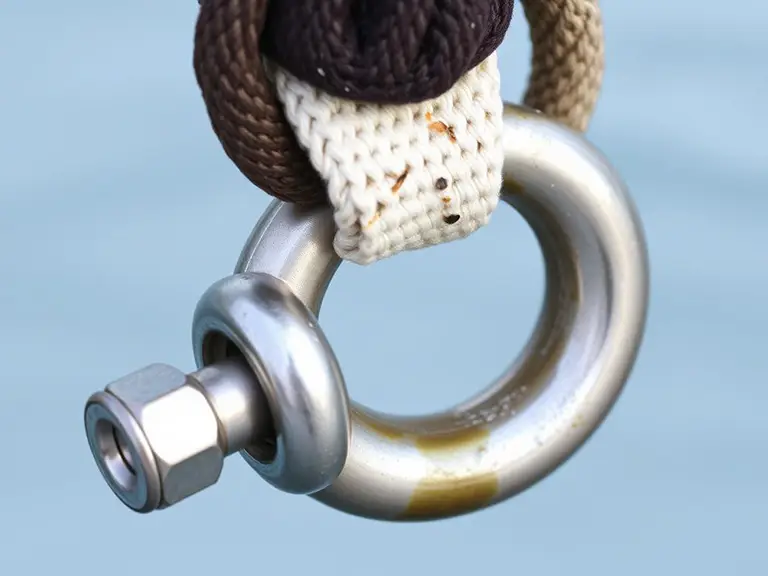
A “shackle” can refer to either a chain-length unit for anchor chains or a metal connector used in rigging. The first has a fixed length, while the second varies in size depending on the model and rating. If you ask, “How long is a shackle?” suppliers may give different answers. Always specify whether you mean the chain length or the hardware.
How Long Is a Shackle as a Hardware Component?
A rigging shackle does not have a standard length. Its size depends on the pin diameter, bow shape, and working load limit (WLL).
When buying a shackle, “length” alone isn’t enough. You’ll need the pin diameter and inside dimensions to ensure a proper fit. These measurements determine whether the pin will pass through your padeye or chain link.
Key Dimensions: How to Measure and Describe a Shackle
Always measure and report a shackle by its pin diameter and clear inside dimensions, not just its overall length. This ensures a proper fit and prevents unsafe substitutions or side-loading.
Use calibrated tools for accuracy. Record the same dimensions consistently and compare them to the manufacturer’s specifications.
Measurement checklist:
- Pin diameter (d): Measure at the narrowest point on the pin.
- Inside width at the pin (A): Indicates what fittings can sit on the pin line.
- Inside length/height (B): Ensures a sling, link, or eye fits cleanly.
- Outside width across the bow (C): Helps with clearance in tight rigging areas.
Rule of thumb: Pin diameter often correlates with WLL, but fit issues usually arise from inside width or height. Always confirm both.
Main Types of Marine Shackles and Their Typical Uses
| Type | Best For | Avoid When |
|---|---|---|
| Anchor | General marine connections, more internal room | You cannot control loading angle |
| Bow | Slings, multi-leg rigging, mild direction changes | Large side-load angles, twisting |
| Chain/D | Straight in-line pulls, tight profiles | Side-loading and multi-direction pulls |
Anchor Shackle
An anchor shackle has a wide bow, making it ideal for general marine connections. It’s commonly used when more internal space is needed, such as in anchor and towing setups. However, it’s safest for in-line loading and must be derated for side-loading.
Bow Shackle
A bow shackle features a larger, rounded bow to reduce sling pinching. This makes it suitable for synthetic slings and multi-leg connections. It works well when the load direction may vary slightly, but it isn’t designed for heavy side-loading or twisting.
Chain/D Shackle
A D shackle has a narrow body designed for straight, in-line pulls. It’s often used with chain connections in tight spaces. However, it’s not suitable for loads that may shift sideways. For angled loads, opt for a bow or anchor shackle instead.
How to Choose the Right Shackle Safely
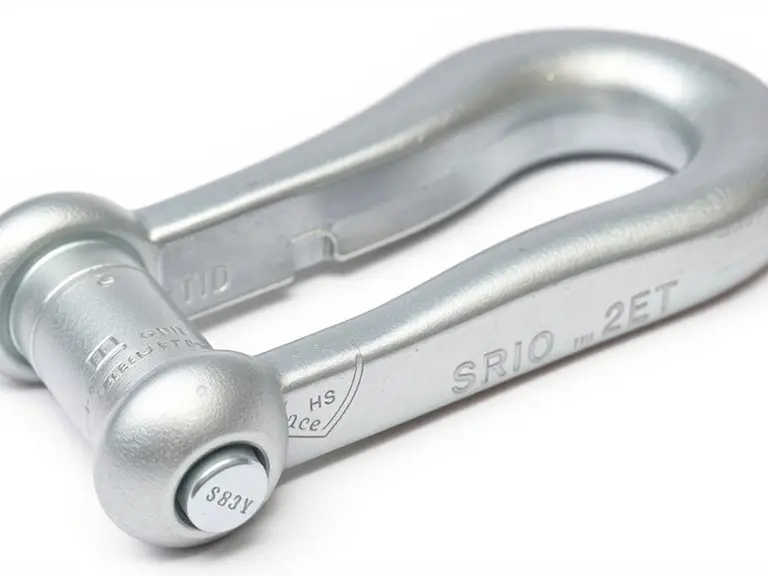
Follow this order when choosing a shackle: WLL → load direction → dimensional fit → material for environment → pin style. This prevents mistakes where a shackle “fits but fails.”
Start with the WLL. Never select a shackle below the expected load, and allow a safety margin for real conditions. Then, check whether your lift is straight or angled.
Selection checklist:
- WLL meets or exceeds the job load.
- The load path is in-line, or you have a plan for angle derating.
- Pin and inside dimensions fit your chain, padeye, or sling.
- Material suits exposure (saltwater, chemicals, temperature).
- Pin type matches use frequency and safety needs.
Best Practices and Common Safety Mistakes
Side-loading a shackle is the fastest way to lose capacity. If the load is off the centerline, you must reduce the effective WLL. Follow these reduction rules for angled loads:
- 6°–45°: Reduce WLL by 30%.
- 46°–90°: Reduce WLL by 50%.
- >90°: Do not use (high failure risk).
Pin security is also critical. Screw pins are convenient for temporary connections, but must be fully seated. Bolt-type pins with a nut and cotter pin are better for semi-permanent or overhead connections. Inspect shackles before each critical use. Replace any shackle showing deformation, deep corrosion, thread damage, or wear that affects fit.
Conclusion
Selecting the appropriate shackle is critical to maintaining the safety and effectiveness of your marine activities. Our expertise makes specialized recommendations to assist you in choosing the best shackle for your specific rigging hardware requirements. With our knowledge, you can assure secure and dependable connections in a variety of aquatic situations.
FAQ
What is the standard length of a shackle in nautical terms?
It’s 90 feet (15 fathoms), about 27.43 meters. This refers to anchor chain length, not the metal connector.
If someone says “3 shackles out,” how much chain is that?
It means 270 feet, about 82.3 meters. Multiply the number of shackles by 90 feet (or 27.43 meters).
Is there a standard physical length for a rigging shackle?
No—hardware shackle length varies by size, type, and WLL. Use the manufacturer’s dimension chart for the exact model.
What measurements should I provide when buying a shackle?
Provide pin diameter and inside width/height first. Include any clearance limits and the parts you need to fit.
Can I use a shackle for side-loading?
Yes, but only with proper derating and controlled angles. Reduce WLL for angled loads and never exceed 90° side-loading.