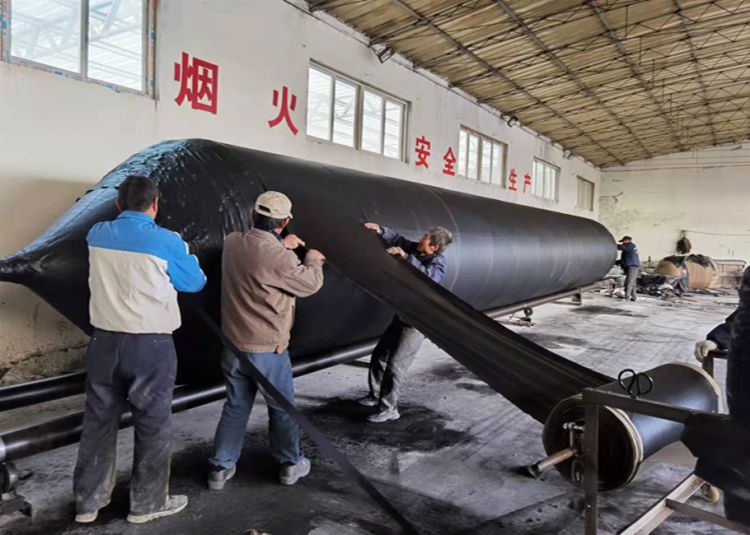
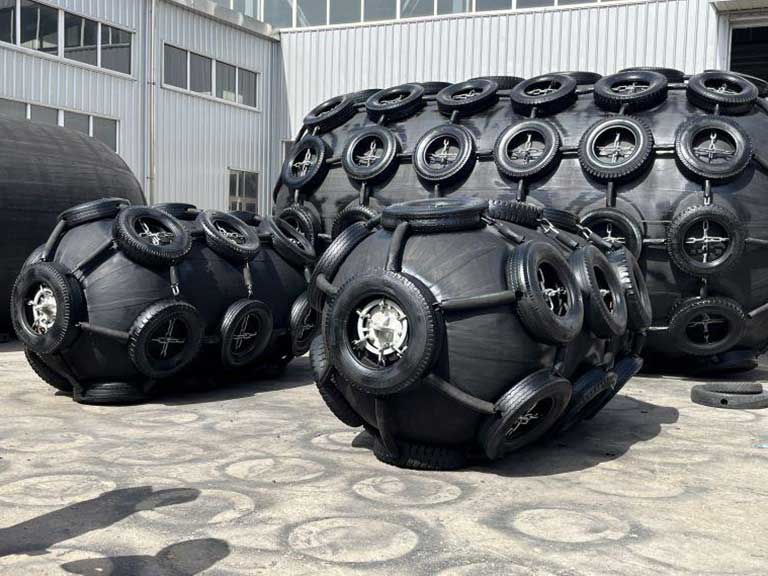
Inflatable fenders, also known as pneumatic rubber fenders. They are primarily used to protect ships from collisions with docks or other vessels. Their unique cushioning ability helps reduce damage to the hull and minimize the impact on port facilities. This ensures safe docking of ships. As a result, inflatable fenders are widely used on a variety of ships, oil and gas platforms, offshore wind farms, and harbor terminals.
This guide explores the primary influences on inflatable fender costs. These include size, materials, manufacturing processes, certification, market dynamics, and more. In addition, transportation and installation costs are factors to consider. Knowing these details helps buyers keep their budgets in check. It also ensures that you can purchase a high-performance, cost-effective product.
Fender sizes and specifications
The diameter, length, and volume of a fender are important factors. They determine how much energy the fender can absorb and where it can be used. Larger fenders can absorb more energy. This makes them suitable for larger vessels and rough sea conditions. However, the larger the fender size, the higher the price. For example, fenders for large tankers or container ships cost much more than fenders for smaller vessels.
Diameter Impact
A larger diameter expands surface area and internal volume, boosting energy absorption for high-impact scenarios like large vessels in rough seas.
For instance, a 24-inch diameter fender might cost $462–$1,100. And compared to a 12-inch version at $180–$462, depending on brand and features. This reflects higher material use and advanced engineering.
Length Impact
Longer fenders provide broader hull coverage but add to material, transportation, and installation expenses. A 36-inch long fender could be 20–50% more expensive than a shorter equivalent due to logistics complexities.
Volume and Customization
Greater volume demands precise sealing and gas distribution for stability, raising manufacturing hurdles. Custom designs—tailored for unique vessel shapes or environments. It can add 30–50% to costs via specialized molds and materials.
For quick reference, here’s a table summarizing typical price ranges based on size (approximate USD, excluding shipping; actual prices vary by supplier and region):
| Size (Diameter x Length) | Type/Example | Price Range (USD) | Suitable For |
|---|---|---|---|
| 9″ x 22″ | Small cylindrical | 150–300 | Boats 18’–30′ |
| 12″ x 30″ | Medium inflatable | 180–500 | Yachts, sailboats |
| 18″ x 36″ | Large heavy-duty | 400–1,000 | Mid-size vessels, pontoons |
| 24″ x variable | Extra-large | 900–2,000 | Large ships, tankers |
Data sourced from industry listings as of 2025.
Material selection
Materials form the foundation of fender performance, influencing durability, resistance to environmental factors, and overall cost. Choices typically involve natural rubber, synthetic rubber, liners, and protective coatings.
Synthetic rubber
- Higher Cost: More durable against abrasion, chemicals, and extreme temperatures, making it suitable for harsh marine environments. However, production costs are higher due to raw material expenses, often 15–30% above natural rubber. Global trends show synthetic prices rising with demand, influenced by supply chain factors.
- Performance Advantage: Synthetic rubber performs particularly well in environments where protection from corrosion, extreme temperatures or UV exposure is required. Fenders made from this material perform better in harsh conditions. However, increased performance can lead to higher prices.
Natural rubber
- Lower cost: Derived from latex, it offers excellent elasticity and strength at a lower cost—around 10–20% cheaper than synthetics. Ideal for mild conditions, but less resistant to oils, chemicals, and UV aging. Current market price: approximately $1,934/MT in the US.
- Wide range of applications: Natural rubber is ideal for general-purpose fenders, especially for standard harbors or milder marine environments. Its lower cost makes these fenders more affordable and competitively priced.
| Material Type | Pros | Cons | Cost Impact |
|---|---|---|---|
| Natural Rubber | High elasticity, cost-effective | Lower resistance to harsh conditions | Lower (e.g., $1,600–$2,000/MT) |
| Synthetic Rubber | Superior durability, chemical resistance | Higher raw material costs | Higher (e.g., 15–30% premium) |

Choice of liner material
The liner material is the core part of an inflatable fender and determines its airtightness, durability, and pressure resistance. Common liner materials include high-density synthetic rubber, nylon-reinforced rubber, and other composite materials.
The lining material of the fender plays a key role in its durability and air tightness. High-density synthetic rubber and high-quality nylon materials enhance the fender’s resistance to compression and puncture. Although these materials are more expensive, they offer better durability and performance. Choosing these materials can greatly extend the life of your fenders. This, in turn, affects the overall price.
Protective Coating and Reinforcement Materials
To improve abrasion and corrosion resistance, manufacturers often add additional protective layers to the fender surface or use reinforcing materials. For example, some fenders are coated with UV and corrosion-resistant materials. Still other fenders have reinforcing fibers mixed into the rubber. These enhancements extend the fender’s lifespan, but they also raise production costs.
Complex manufacturing processes
The production of inflatable fenders involves several complex technical steps. It starts with mixing the base rubber and designing the inflation system. Multi-layer construction, precision welding and high-precision rubber molding all contribute to performance and durability. These techniques also improve the cushioning capacity and air tightness of the fenders. However, the application of these advanced processes also means higher manufacturing costs.
- Precision Molds and Equipment: Advanced manufacturing requires precision molds and specialized equipment. These ensure accurate manufacturing of all parts of the fender. However, these molds are costly to design, produce and maintain. This is especially true when the fenders need to meet strict size and performance standards. In addition, Precision molds for custom sizes can increase prices by 15–20%.
- Automation and CNC Technology: Modern processes use automation and CNC technology to improve productivity and consistency. While automation reduces labor costs, the initial investment in equipment is high. Maintenance also adds to the cost. In addition, CNC equipment requires skilled technicians to program and operate, which also increases production costs.
- Quality Control and Testing: Rigorous protocols, including pressure, tensile, and durability tests, verify performance under real-world conditions. Standards like PIANC 2002 require testing 10% of batches, potentially adding 5–10% to production costs but ensuring safety. Raw material inspections for strength and elasticity use specialized equipment, further justifying premiums.
Certification and Standards
Compliance with international standards like ISO 17357 ensures materials, dimensions, and performance meet high-pressure requirements for floating pneumatic fenders. This involves stringent testing, adding 10–20% to costs but enhancing market access and trust. Certified fenders command higher prices due to verified safety and durability, with long-term benefits like reduced failures.

Supply and demand
Fluctuations in market demand directly affect fender prices. Particularly during periods of harbor expansion or large ship replacement, fender demand surges and prices usually rise. During these periods, fender producers face higher demand for orders, which drives prices up. Conversely, when market demand falls, suppliers may lower prices to remain competitive.
Also the supply chain is an important factor. One of the main raw materials for fenders is rubber, and its price fluctuations can significantly affect the cost and price of fenders. Changes in global rubber prices, which are influenced by weather, logging, logistics, and other factors, are directly transmitted to pneumatic fender manufacturers. When rubber prices rise, fender prices usually rise as well.
Transportation and Logistics Costs
Inflatable fenders are large in size and heavy in weight. Therefore, high transportation costs are incurred during transportation, especially during international transportation. And these logistic costs are directly factored into the total price of the fender. Therefore, the manufacturer adjusts the final price according to the distance, the mode of transportation and the size of the fender.
Different modes of transportation also affect the price. For example, sea freight is much cheaper than air freight, even though it takes longer. Air freight is more expensive for urgent orders. Buyers can choose the right shipping method according to the urgency and shipping budget, which will also affect the final price of fenders.
If you are interested in how to store and transport pneumatic fenders, check out this guide.
Purchase volume versus customized orders
Discounts are often available for bulk purchases. Ordering in large quantities reduces per-unit production, packaging, and shipping costs. To encourage bulk purchasing, fender suppliers such as Henger offer discounts.
At the same time, customizing products to meet specific needs can add complexity and cost to production. Customized orders are usually priced higher than standard products. This is because they require special designs, material changes, or production process adjustments.