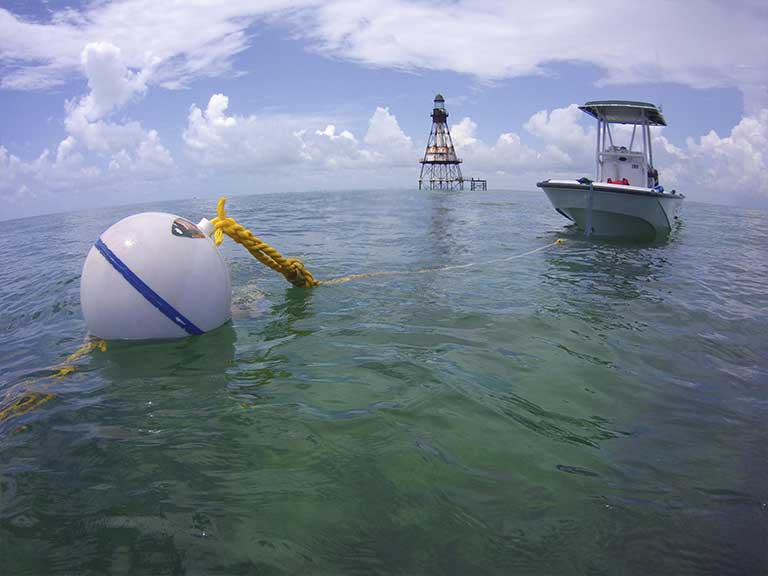
A mooring is a fixed point or item in the water to which a boat or ship can be tethered so that it doesn’t drift away. A full mooring system usually has a large weight on the bottom, a line or chain (called the “rode”), and a buoy on the surface. This can help sailors discover it and attach to it. This is a more permanent solution than temporary anchoring, and it can be utilized for short or long-term visits.
Understanding Mooring: Definition and Importance
A mooring system is an arrangement of anchors, lines, chains, and connectors that holds a vessel in a fixed position in water. Unlike temporary mooring, berthing aims to provide long-term stability and is typically used in ports, offshore areas, or deep-water zones. This ensures vessels remain securely anchored during operations, loading, or for safety purposes.
The primary purpose is to prevent drift, reducing risks of collisions, grounding, or environmental damage. Effective mooring enhances maritime safety by protecting vessels, crews, nearby structures, and ecosystems from adverse conditions.
The Critical Role of Moorings in Maritime Safety
Moorings play a vital role in preventing accidents. For instance, improper mooring has led to failures. For example, the 2019 incident where a mooring line snapped back caused injury on a vessel, highlighting the need for proper tension and inspection.
On the other hand, advanced mooring designs in offshore wind farms demonstrate exceptional resilience. Systems such as screw anchors maintain positional stability during storms. Case studies in the North Sea indicate these systems can reduce downtime by up to 20%.
Types of Mooring Systems
It’s important to know about the different mooring systems for vessel safety and stability. Mooring systems are mainly of two types: shore fixtures and offshore fixtures.
- Shore Fixtures: Shore fixtures like docks, piers, and wharves are permanent spots for vessels to moor. They are made for different vessel sizes and types, offering easy access and stability. Vessels tie up to these spots with mooring lines, ensuring a safe mooring.
- Offshore Mooring: In deeper waters, buoys connected to seabed anchors provide flexibility. Common for large ships or remote areas, these handle dynamic forces effectively.
- Swing Mooring Systems: Swing moorings are fixed to the seabed, offering a steady mooring point. They need careful placement to avoid getting tangled with other moorings or anchors. The design and setup of swing moorings are key to their safety and effectiveness.
- Pile Mooring Systems: Pile moorings use poles driven into the waterway bottom. Their tops stay above the water. Vessels tie mooring lines to two or four piles to secure their position. This method offers stability, especially in crowded waters, but requires precise installation.
Essential Mooring Equipment and Components
Knowing the essential equipment for a mooring system is key to safe maritime operations. Key components ensure system integrity:
| Mooring System Component | Function | Importance |
|---|---|---|
| Connectors | Link the vessel to the mooring line | Ensures secure attachment |
| Anchors | Hold the line to the seabed | Prevents drift |
| Mooring Lines | Transfer forces | Maintains position |
Mooring Lines and Ropes
Mooring lines connect to the anchor and keep the structure afloat. They are made from materials like wire, fiber rope, and chain. The choice depends on vessel size and environmental conditions. For example, synthetic ropes offer elasticity for wave absorption.
Mooring Anchors: Types and Applications
Anchor holding capacity varies by type, soil, and depth. Common types include:
- Mushroom Anchors: Embed in soft mud, holding capacity up to 10 times the weight. For example, a 50 kg anchor holds 500 kg in mud.
- Pyramid Anchors: Concrete blocks for deadweight. Effective in sandy bottoms, with capacities scaling by size.
- Helix Anchors: Screw into seabed; high holding-to-weight ratio (up to 20:1), minimizing environmental impact.
- Deadweight Anchors: Rely on mass, it is suitable for rocky areas but less efficient in soft soils.
Mooring Chains and Connectors
Chains provide durability in shallow waters (<100m). And connectors like shackles ensure reliable links. Therefore, mooring chains connect the anchor to a floating buoy or watercraft. They play a vital role in securing the mooring system.
Mooring Buoys and Their Function
A mooring buoy floats on the water’s surface, away from the shoreline. It allows boats to be moored in deep water.
These components work together to provide a secure and effective mooring system. By understanding each part’s role, maritime professionals can ensure the safety and integrity of their operations.
Mooring Materials and Their Properties
Mooring systems use various materials, each with unique properties and applications. The material choice affects the system’s performance, safety, and longevity.
- Chain Materials: Chain materials are known for their exceptional strength and durability. They are ideal for shallow water moorings up to 100 meters. Chains have low elasticity but can withstand excessive force before breaking, ensuring reliable mooring.
- Wire Ropes: Wire ropes are lighter and more elastic than chains. They are suitable for deeper water moorings beyond 100 meters. Their characteristics offer a balance between strength and flexibility, catering to various maritime needs.
- Synthetic Fiber Ropes: Synthetic fiber ropes, including polyester, polypropylene, polyethylene, and polyamide, are lightweight and have high elasticity. These properties make them versatile for different mooring applications, offering advantages in handling and installation.
- High Modulus Fibers: High modulus fibers like aramid fibers, high modulus polyethylene (HMPE), and liquid crystal polymer (LCP) are used in modern mooring systems. These advanced materials provide superior performance characteristics, including high strength-to-weight ratios and resistance to environmental degradation.
By understanding these materials’ properties, we can make informed decisions. This ensures the overall performance, longevity, and safety of the mooring system.
Mooring vs. Docking: Understanding the Differences
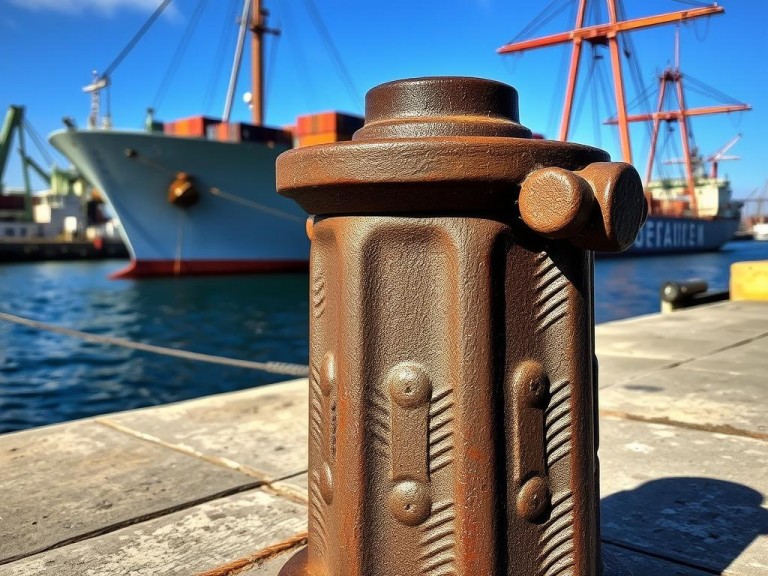
Mooring and docking are often confused, but they are different procedures for securing vessels. We will clarify the distinctions between these maritime practices. This will help you choose the appropriate method for your boat.
The Process of Mooring a Vessel
Mooring involves attaching your boat to a mooring buoy in open water. This process requires specific equipment, including a mooring buoy, an anchor, and chains. To moor a vessel, you need to carefully approach the buoy, secure your boat to it using the appropriate lines, and ensure the vessel is safely fastened.
The Process of Docking a Vessel
Docking means pulling your boat up to a dock or a similar structure. You secure it with lines. First, maneuver your vessel to the dock. Use fenders to protect it from damage. Then, tie it securely to the dock with the right lines.
When to Choose Mooring vs. Docking
Choosing between mooring and docking depends on several factors. These include vessel size, water depth, and how long you’ll stay. Mooring is good for open water or when docks are not available.
Docking is better for longer stays or when you need to load or unload cargo and passengers. Think about these factors to choose the best option for you.
- Mooring is suitable for open water and when docking facilities are not available.
- Docking is ideal for longer stays and when you need to load/unload cargo and passengers.
- Consider vessel size, water depth, and environmental conditions when deciding.
Mooring Maintenance and Best Practices
Mooring maintenance is key for maritime safety. It requires attention to detail and following best practices. Regular maintenance is vital for the safety and longevity of mooring systems.
Inspecting Mooring Equipment
Regular checks are crucial for spotting wear, corrosion, or damage. Check mooring lines, chains, anchors, and buoys for any issues. Make sure dock fenders are firm and working well.
Proper Care for Different Mooring Materials
Different materials need specific care. Wires should be greased to ensure they slip properly. Synthetic fiber ropes should be stored in well-ventilated areas and not treated with chemicals. Proper care extends the life of your equipment.
Environmental Considerations for Mooring
It’s important to minimize ecological impact. Proper installation and maintenance can greatly reduce environmental harm. Protect components from harmful environmental factors.
Extending the Life of Your Mooring System
To make your mooring system last longer, replace parts on schedule. Keep it properly tensioned and protect it from UV exposure and marine growth.
| Mooring Component | Maintenance Task | Frequency |
| Mooring Lines | Inspect for wear, grease wire lines | Monthly |
| Synthetic Fiber Ropes | Store in ventilated areas, and inspect regularly | Quarterly |
| Anchors and Chains | Check for corrosion, signs of wear | Bi-Annually |
Conclusion
Understanding different mooring systems is key to ensuring safe and effective mooring. Choosing the right mooring system depends on several factors. These include vessel size, water depth, environmental conditions, and your specific needs. In addition, knowing the difference between mooring and docking is also important.
Henger Shipping Supplies specializes in providing marine equipment solutions for the maritime industry. We offer premium rubber fenders, pneumatic fenders, and other related products. For inquiries, please contact us promptly.
FAQ
What factors determine the type of mooring system to use for a vessel?
Several factors are important. These include water depth, vessel size, wind, and current conditions. We also look at the type of vessel and its intended use. This helps us choose the best mooring system.
How often should mooring equipment be inspected?
Regular checks are key. We suggest inspecting mooring equipment every 6-12 months. Or after big weather events. This keeps the mooring system safe and sound.
What is the difference between mooring and docking a vessel?
Mooring means securing a vessel to a fixed or floating structure. This could be a buoy or anchor. Docking, on the other hand, involves bringing a vessel alongside a fixed structure. This could be a pier or wharf for loading, unloading, or maintenance.
What materials are commonly used for mooring lines and ropes?
We use different materials for mooring lines and ropes. These include steel wire ropes, synthetic fiber ropes, and high modulus fibers. Each material has its own benefits for different mooring needs and conditions.
How can I extend the life of my mooring system?
To make your mooring system last longer, regular inspections and maintenance are crucial. Proper handling of equipment is also important. Considering environmental factors like corrosion and wear can also help.
What are the benefits of using a swing mooring system?
Swing mooring systems are flexible and adaptable. They allow vessels to swing freely around a fixed point. This makes them suitable for various water depths and environmental conditions.