Keeping your boat safe from damage during docking is essential. Selecting the right boat fender size ensures effective protection without unnecessary complications. As a professional marine equipment supply, Henger Shipping Supplies understands the importance of protecting vessels while at anchor. We will provide you with detailed and fact-based recommendations to help you select the right fender for your vessel.
Understanding Boat Fenders and Their Importance
Boat fenders are inflatable or foam cushions that act as buffers between your boat’s hull and docks, pilings, or other vessels. They absorb impacts, preventing scratches, dents, and structural damage.
Fenders are crucial for maintaining your boat’s integrity in various marine environments. High-quality fenders, often certified to standards like ISO 9001, can extend your hull’s lifespan by minimizing abrasion and collision forces. Without them, even minor docking maneuvers can lead to costly repairs.
Undersized fenders may fail to provide adequate cushioning, leading to hull damage or fender rupture under pressure. Oversized ones can be cumbersome to store and deploy, potentially shifting during use and exposing vulnerable areas. Proper sizing balances protection, ease of use, and storage.
The Boat Fenders Size Guide by Vessel Length
The right fender size depends on your boat’s length for proper protection. Fender size isn’t one-size-fits-all. Different boat lengths need different fender sizes to absorb impact during docking.
Cylindrical Fender Diameter Recommendations
Cylindrical fenders are versatile for most boats. Use this table based on industry guidelines:
| Boat Length (feet) | Recommended Diameter (inches) |
|---|---|
| Under 10 | 3-4 |
| 10-20 | 5-6 |
| 20-25 | 6-6.5 |
| 25-35 | 8-8.5 |
| 35-50 | 10.5-12 |
| 50-60 | 12-15 |
| 60-72 | 15-24 |
These align with West Marine’s advice for boats in moderate conditions. For heavier vessels or rough waters, increase the diameter by 1-2 inches.
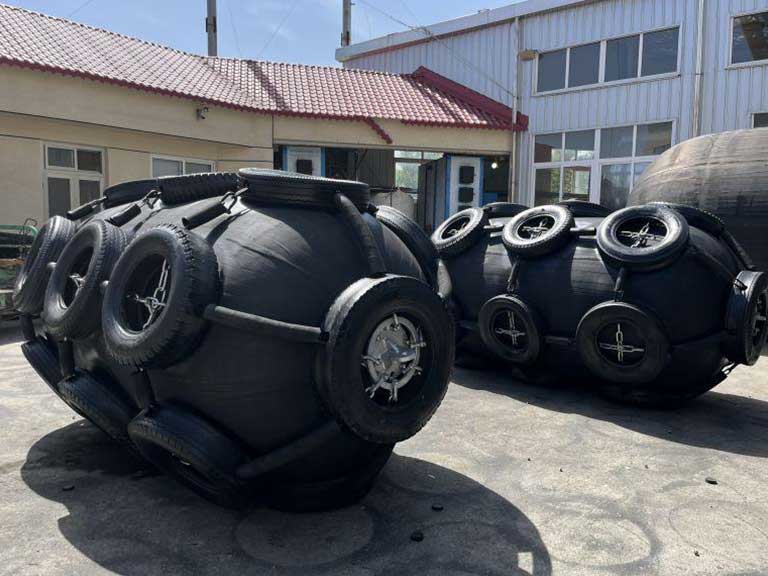
Round Fender Diameter Recommendations
Round (spherical) fenders offer broad coverage, ideal for larger impacts.
| Boat Length (feet) | Recommended Diameter (inches) |
|---|---|
| 10-15 | 9-12 |
| 15-20 | 12-15 |
| 20-30 | 15-18 |
| 30-40 | 18-21 |
| 40-50 | 21-24 |
| 50-60 | 24-27 |
When in doubt, opt for larger sizes to enhance protection.
Flat Fender Size Recommendations
Flat fenders are space-efficient and suit rafting or tight docks.
| Boat Length (feet) | Recommended Size |
|---|---|
| Under 20 | Small (e.g., 12″ x 6″ x 2″) |
| 20-35 | Medium (e.g., 21.5″ x 12″ x 2″) |
| 35-60 | Large (e.g., 27″ x 18″ x 2″) |
| Over 60 | Extra Large or Custom |
These are effective for flat hulls and can be stacked for added protection.
How to Calculate the Right Fender Size
Beyond basic charts, factor in your boat’s specifics for precise selection.
- The 1-Inch Rule for Cylindrical Fenders: A common heuristic: Allow 1 inch of diameter per 4-5 feet of boat length. For a 30-foot boat, start with at least 6 inches. Adjust upward for sailboats (higher freeboard) or windy areas.
- The 2-Inch Rule for Round Fenders: For round fenders, use 2 inches per 4-5 feet. A 30-foot boat would need about 12 inches. This provides more surface area for rolling docks.
Consider additional factors: Boat weight (heavier needs thicker walls), hull curvature (round for curved hulls), and environment (saltwater favors UV-resistant materials like vinyl or EVA foam).
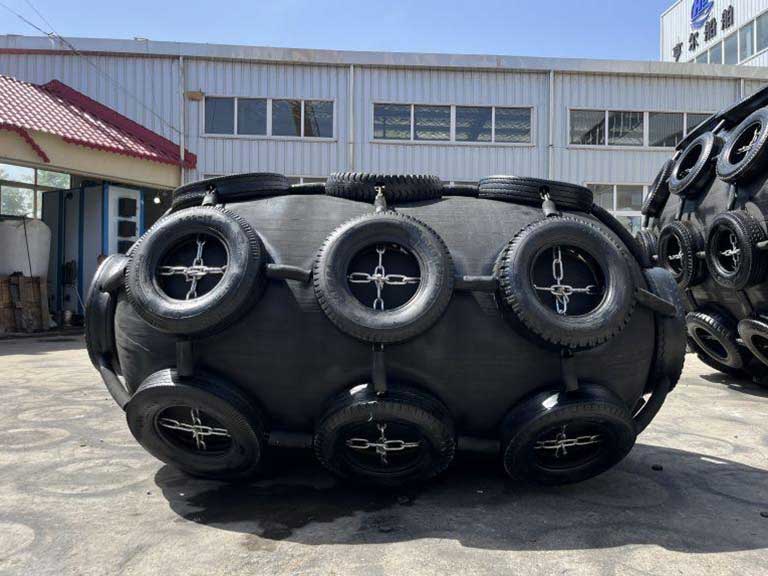
Choosing the Right Type of Fenders for Your Boat
Different boats need different fenders for the best protection. It’s important to pick the right fenders for your boat to avoid damage.
- Fenders for Small Boats (Under 20 Feet): Small boats like personal watercraft or rowboats need classic utility fenders. These fenders are affordable and have an oval shape to prevent rolling and reduce hull abrasion.
- Fenders for Medium-Sized Boats (20-35 Feet): Medium-sized boats do well with fenders that have ribbed sidewalls. These fenders help prevent rolling. They also have reinforced eyelets or center rope tubes for secure positioning.
- Fenders for Large Boats (35-75 Feet): Large boats need commercial-grade fenders. These fenders are built to last and have extra-large line holes. They can handle the ropes needed for heavier boats and offer maximum protection.
Note the material differences: Vinyl fenders are affordable but less durable. Polyurethane fenders offer superior UV resistance and a longer service life.
How Many Boat Fenders Do You Need?
Having the right number of boat fenders is key to protection. The number needed depends on your boat’s length and docking conditions.
Use the 10-foot rule: one fender for every 10 feet of waterline per side. Even small boats should have at least three fenders. This rule ensures your boat is well-protected.
The number of fenders needed varies by boat length. Here’s a guide:
| Boat Length (feet) | Recommended Number of Fenders |
| Under 25 | 3 |
| 25-35 | 4 |
| 36-50 | 5 |
| 51-60 | 6 |
| 60-72 | 7 |
Following these guidelines helps ensure your boat has the right number of fenders for protection.

Proper Fender Placement and Usage Tips
To get the most out of your boat fenders, know how and when to place and use them. Proper placement is crucial for protecting your boat during docking and mooring.
Positioning Fenders for Maximum Protection
For standard docking, place fenders at your boat’s widest beam and where it might hit the dock. Make sure the fender height matches the dock, adjusting for water level changes. Secure fenders to strong points on your boat and use knots that are secure but easy to adjust.
Adjusting Fenders for Different Docking Conditions
Different docking situations need different fender setups. For side-to docking, place fenders along the hull length. For stern-to docking, focus on the aft section. In rough waters, add more fenders and secure them well with the right lines and rigging.
Our ISO9001-2008 certified fenders work best when placed correctly. They offer reliable protection in various docking and mooring scenarios.
- Position fenders at the widest beam and potential contact points.
- Adjust fender height according to dock height and tidal changes.
- Use proper line techniques and adjustable rigging for secure attachment.
- Coordinate fender placement when rafting up with other vessels.
Conclusion
Choosing the right boat fenders is key to protecting your investment. This guide has covered the basics of fender selection.
At Henger Shipping Supplies, we offer top-notch fenders, including Yokohama fenders and rubber fenders. They meet ISO9001-2008 standards. Investing in quality fenders now saves you from expensive hull repairs later.
For personalized advice, reach out to our marine equipment specialists. They offer expert guidance based on years of experience.

FAQ
How do I choose the right type of fender for my vessel’s specific docking conditions?
The fender type depends on the docking conditions, like the dock type, water conditions, and vessel beam. For curved hulls, round fenders are best. For flat hulls, flat fenders are better.
What is the recommended number of fenders to use based on my vessel’s length?
The number of fenders needed varies with vessel length. Generally, use one fender for every 10 feet of length. But, this can change based on docking conditions and fender types.
How do I properly position fenders on my vessel to maximize protection?
Place fenders at the vessel’s widest points, like near the beam, for maximum protection. Adjust their height to match the dock or mooring buoys.
Can I use the same fenders for different docking conditions, such as mooring to a dock or a buoy?
While some fenders work for different conditions, assess each situation carefully. A fender good for docking might not be right for mooring to a buoy.
What are the risks of using incorrectly sized fenders on my vessel?
Incorrectly sized fenders can damage your vessel’s hull, the dock, or other structures. They might not protect enough, leading to costly repairs or harm to your vessel’s reputation.
How do I ensure that my fenders are in good condition and functioning properly?
Regularly check and maintain your fenders to keep them in top shape. Look for wear, damage, or degradation. Replace them as needed to ensure they work well.