In the marine industry, protecting vessels and docking structures during docking is crucial. EVA foam fenders are designed to absorb energy, providing reliable protection in marine environments. They are lightweight and durable, making them a superior choice over traditional fenders. As the demand for effective marine protection grows, so does the popularity of EVA foam fenders.
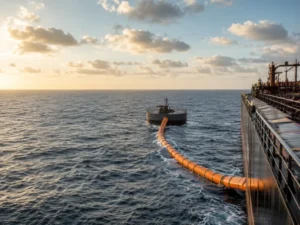
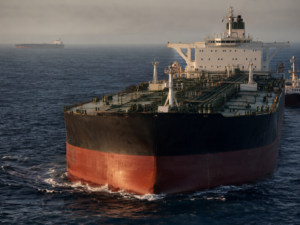
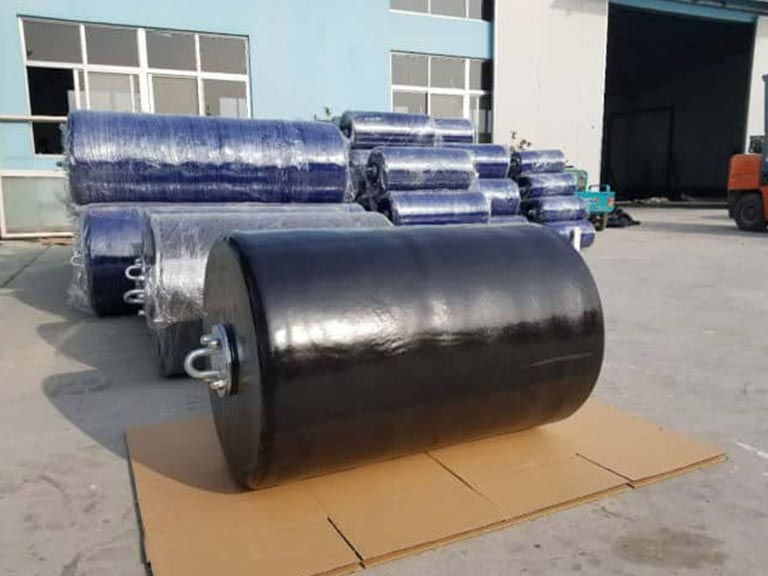
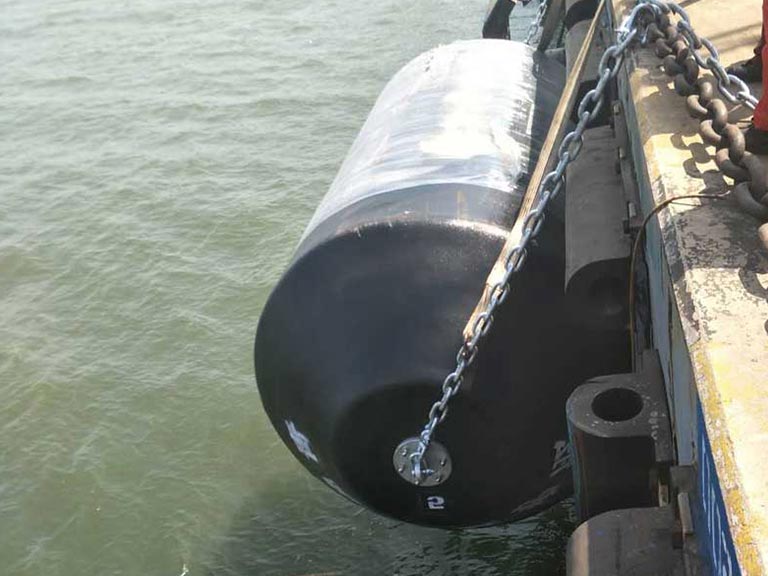
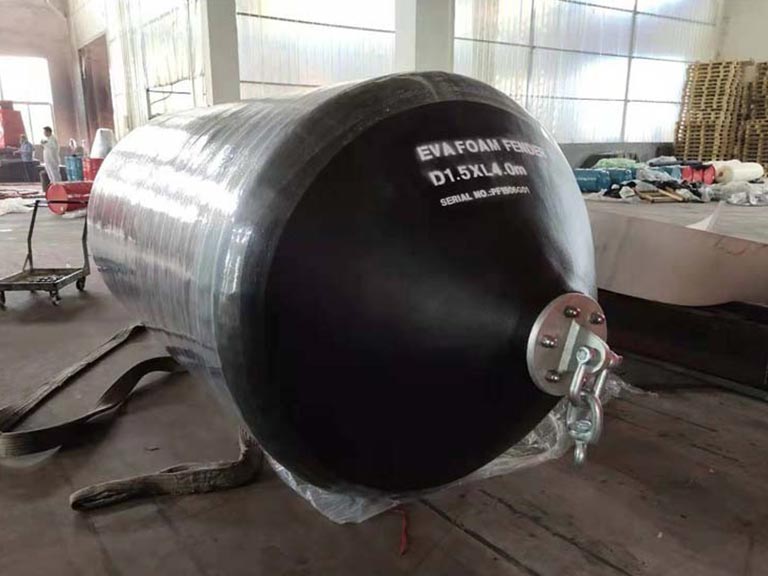
EVA foam fenders, also known as foam filled fenders. They are a new type of fender that uses lightweight, highly elastic foam as a cushioning medium. They are widely used in ports, offshore, STS, and STD operations.
Henger Shipping Supplies is a leading Chinese marine equipment manufacturer. We specialize in high-quality marine products. This includes Yokohama fenders and marine rubber fenders. We also create innovative fenders to safeguard boats and docking structures.
What are EVA Foam Fenders?
EVA foam fenders are known for their exceptional performance and durability in the maritime industry. We will explore their material composition, properties, and operational mechanics.
Material Composition and Properties
EVA foam is a closed-cell foam made from ethylene and vinyl acetate. This combination results in a material that is both lightweight and durable. The closed-cell structure makes it waterproof, enhancing its durability in marine environments.
The physical properties of EVA foam, including density, compression resistance, and recovery capabilities, make it suitable for fender applications.
How EVA Foam Fenders Work
EVA foam fenders effectively dissipate impact forces during vessel docking or berthing operations. They do this through their energy absorption mechanism. Unlike traditional rubber or pneumatic fenders, EVA foam fenders maintain their performance even after repeated compression cycles.
This is due to the inherent properties of EVA foam, which offer practical benefits in real-world marine scenarios.
Key Benefits of EVA Foam Fenders
EVA foam fenders offer unique benefits for protecting vessels and docking infrastructure. These advantages are crucial in maritime operations, contributing to safer and more efficient berthing processes.
- Lightweight and Durable Construction: EVA foam fenders are remarkably lightweight, simplifying handling, installation, and repositioning. This reduces strain on mounting points. Their durable construction ensures they maintain structural integrity and performance characteristics even after years of service in harsh marine environments.
- Superior Energy Absorption Capabilities: Despite their lightweight nature, EVA foam fenders excel at absorbing energy during impact. This reduces the forces transferred to vessels and docking structures. This capability is crucial for protecting both the vessel hull and dock infrastructure during berthing operations.
- Environmental Resistance Features: EVA foam fenders demonstrate exceptional resistance to environmental stressors. They resist extreme temperatures, UV degradation, ozone damage, and chemical exposure. This resistance ensures they remain effective over their lifespan, providing long-term protection against various types of damage.
| Benefit | Description | Advantage |
| Lightweight Construction | Simplifies handling and installation | Reduces strain on mounting points |
| Energy Absorption | Absorbs impact forces during berthing | Protects vessels and docking structures |
| Environmental Resistance | Resists extreme temperatures and degradation | Ensures long-term effectiveness |
Types and Designs of EVA Foam Fenders
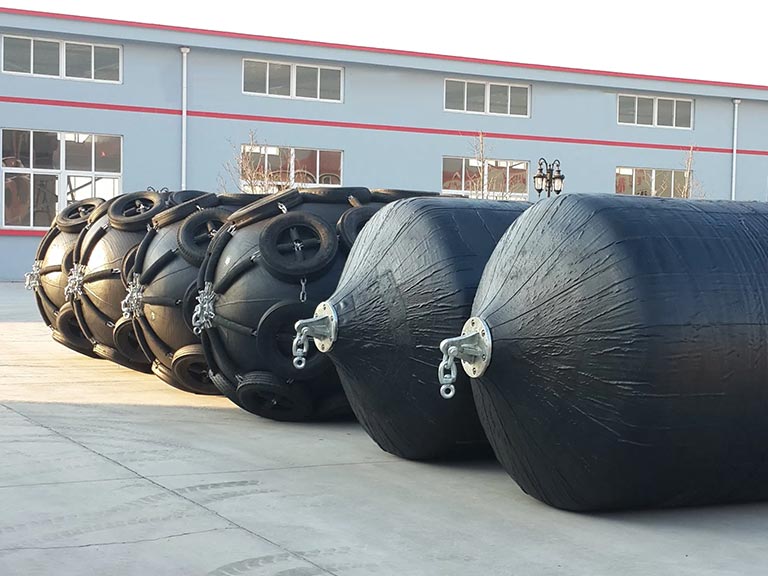
We offer a broad spectrum of EVA foam fender designs, catering to various docking and mooring needs. EVA foam fenders are available in various shapes, including cylindrical, D-shaped, spherical, and arch-shaped designs. This makes them adaptable to different docking and mooring requirements.
- Common Shapes and Configurations: EVA foam fenders come in various shapes and sizes, fitting different vessels and docking needs. The cell fender, for instance, can handle significant impacts and deflect up to 50% of the force. Other types include cone, pneumatic, arch, and pile fenders, each with its own design and application.
- Customization Options: We offer customization for EVA foam fenders. These include size, color, and mounting options. Protective coatings and reinforcements can boost their performance and longevity in harsh marine settings. Our designs cater to a wide range of marine uses, from commercial ports to recreational marinas.
How to Choose the Right EVA Foam Fender
Choosing the right EVA foam fender is crucial for protecting your boat during mooring. Several factors impact the safety and longevity of your vessel. We guide you through these considerations.
- Size and Weight Considerations: When picking an EVA foam fender, consider your boat’s size and weight. Larger, heavier boats need more substantial fenders to absorb impact during docking. Assess your boat’s dimensions and weight to find the right fender size.
- Mooring Conditions Assessment: Mooring conditions at your docking spots are key in fender selection. Evaluate tidal changes, water currents, wind, and traffic patterns. This helps choose fenders that can withstand these conditions.
- Installation and Maintenance Requirements: Proper installation and regular maintenance are vital for your EVA foam fenders’ longevity. Follow best practices for positioning, height adjustment, and secure attachment. Regular inspections and cleaning will also ensure their effectiveness.
| Boat Length | Recommended Fender Size | Number of Fenders |
| Under 20 feet | Small | 2-3 |
| 20-40 feet | Medium | 3-4 |
| Over 40 feet | Large | 4 or more |
Conclusion
Choosing the right EVA foam fenders can greatly reduce damage risks during docking. EVA foam fenders offer lightweight, durable construction and superior energy absorption. They also resist environmental damage, saving time and reducing maintenance costs over time.
At Henger Shipping Supplies, we stress the importance of quality fenders for superior protection. We recommend evaluating your current protection solution. Then consider upgrading to EVA foam fenders for enhanced protection and performance.
FAQ
What makes marine fenders resistant to damage from docking vessels?
Our fenders are designed to absorb impact forces effectively. This protects both the vessel and the dock from damage during docking.
How do I determine the correct size of fender for my vessel?
Consider your vessel’s size, weight, and mooring conditions to determine the correct fender size. Assess these factors to choose a fender that meets your specific needs.
Are the fenders resistant to environmental factors such as saltwater and UV exposure?
Yes, our fenders are crafted from materials that withstand environmental degradation. This includes saltwater and UV exposure. They ensure durability and effectiveness over time.
Can the fenders be customized to fit specific vessel or dock configurations?
Yes, customization is available to match your vessel or dock’s unique needs. You can select the shape, size, and design that suits your requirements.
What are the maintenance requirements for the foam fenders?
Maintenance is minimal for our fenders. They only need occasional cleaning and inspection. This ensures they remain in optimal condition.
How do the foam fenders absorb impact and reduce damage to vessels and docks?
The fenders’ cell structure is engineered to compress and absorb energy upon impact. This reduces the force transmitted to the vessel and dock. Consequently, it minimizes damage.