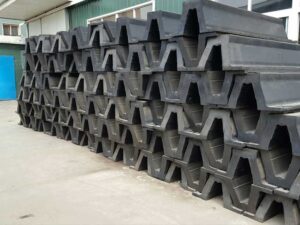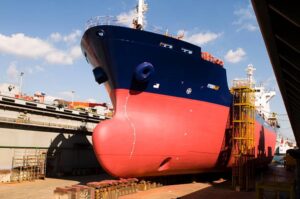
Are you protecting your vessel from damage when docking or mooring? We know how crucial fenders are. They protect your boat from costly damage, especially in tough waters or crowded docks. Then, when should I install fenders on my boat?
Using the right fenders can make your boat last longer and look better. At Henger Shipping Supplies, we make top-notch marine products. This includes pneumatic rubber fender and marine rubber fenders for your boat’s safety.
In this guide, we’ll show you when to use fenders to avoid boat damage. Knowing when and how to use them makes boating safer and more secure.
Understanding Boat Fenders and Their Importance
Boat fenders are specialized cushions that absorb impacts, shielding your hull from docks, pilings, or adjacent vessels. Available in diverse shapes, sizes, and materials, they cater to everything from dinghies to superyachts. Key benefits include:
- Impact Absorption: They compress on contact, reducing force transfer to the hull.
- Versatility: Tailored for specific applications, from lightweight PVC for recreational use to heavy-duty rubber for commercial ops.
Neglecting fenders turns minor bumps into major issues. A single unchecked collision can cost $1,000–$5,000 in fiberglass repairs. In one documented case during a 2024 storm surge, an unprotected vessel in a marina suffered severe hull breaches when waves drove it against pilings—repairs exceeded $20,000. Proactive fender use is a low-cost insurance policy.
Types of Marine Fenders for Different Boats
Marine fenders vary in shape, size, and material for different boats. This variety means you can find the right protection for your boat, no matter its size or docking needs.
| Type | Description | Best For | Durability Rating* | UV Resistance |
|---|---|---|---|---|
| Cylindrical Fenders | Elongated tubes for broad coverage; versatile and affordable. | Mid-sized powerboats; general docking. | High | Good |
| Ball Fenders | Spherical design for point-specific protection; excels in curves. | Sailboats with rounded hulls; tight slips. | Medium | Excellent |
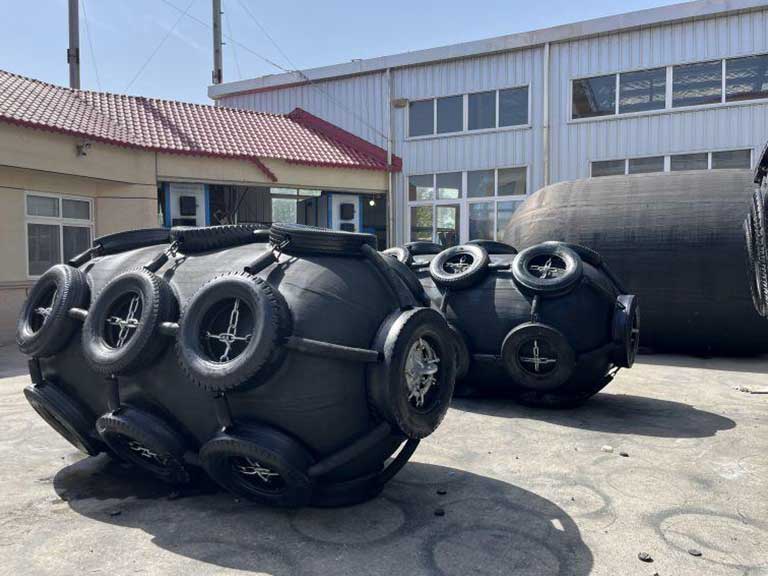
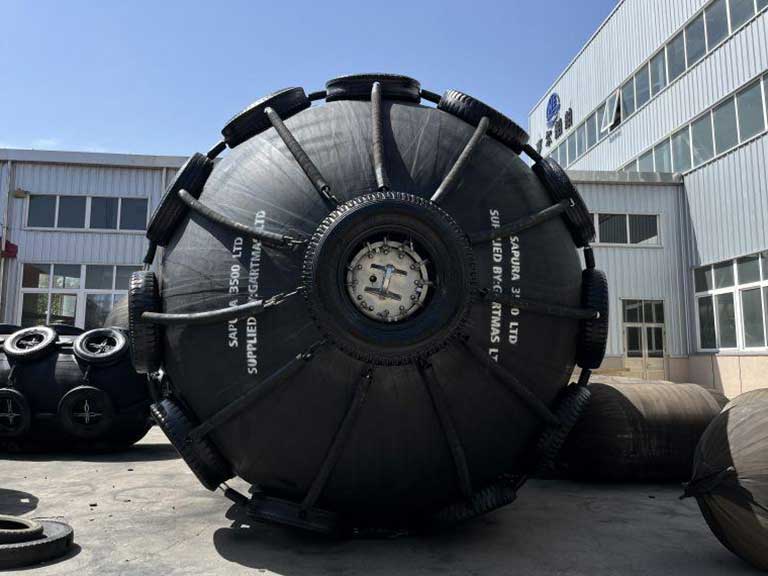
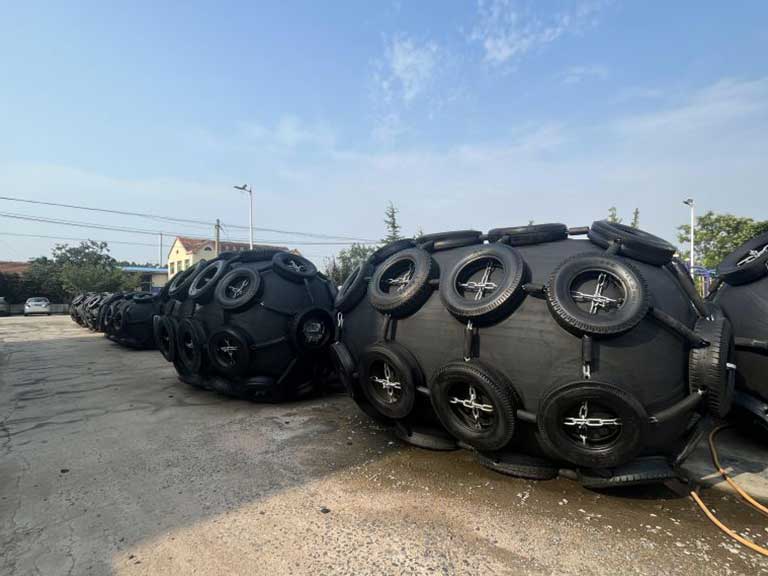
| Yokohama Fenders | Pneumatic, super-elastic giants for high-impact absorption. | Commercial ships; heavy-duty berthing. | Very High | Good (with coatings) |
| Specialized (e.g., Corner/Transom) | Custom shapes for bows, sterns, or pontoons. | Pontoon boats; angled docks. | Varies | High |
Key Scenarios When You Should Put Fenders on Your Boat
Fenders are essential when docking or mooring. They act as a cushion, preventing damage from bumps. We’ll look at when fenders are a must for your boat’s safety.
- Docking at Marinas and Piers: Docking at marinas and piers is common. Without fenders, your boat’s hull can get damaged. Fenders at key points prevent costly repairs and keep your boat in top shape.
- Mooring Alongside Other Vessels: Mooring next to other boats is risky. Fenders on both boats prevent damage from waves and wind. Proper fender placement is crucial in crowded areas to avoid collisions.
- Navigating Locks and Narrow Passages: Locks and narrow passages are challenging. Your boat may hit walls on both sides. Strategic fender placement is vital to avoid damage. With the right fenders, navigating these areas is safer.
- During Rough Weather Conditions: Rough weather makes fenders even more important. Waves and wind can cause more damage. Fenders help protect your boat during bad weather.
Other situations, like temporary stops, anchoring in crowded areas, and loading/unloading, also need careful fender placement. Knowing when and how to use fenders reduces damage risks, keeping your boat safe.
How to Properly Put Fenders on Your Boat
Putting fenders on your boat is important to avoid damage. The way you place fenders depends on the docking surface and your boat’s design. We’ll show you how to use fenders to protect your boat effectively.
- Determining Vertical vs. Horizontal Placement: Whether to use vertical or horizontal fenders depends on the docking surface. For docking alongside another boat or a flat dock, use vertical fenders. For pilings or posts, go horizontal. This protects your boat from damage.
- Positioning Fenders at the Widest Part of the Boat: Place a large fender at your boat’s widest point. This area is most likely to hit the dock or other boats. Add fenders forward and aft for full protection, especially in windy or current conditions.
- Using Fender Boards for Special Situations: For docking against wide pilings, use a fender board. It’s a flat piece of wood or composite material between two fenders. This keeps your boat’s topsides from rubbing against the dock.
- Adjusting Fender Height for Different Docks: Adjusting fender height is crucial for protection. The right height depends on the dock’s height and your boat’s freeboard. For high topsides, attach fenders to midships cleats or the toerail. This reduces damage to your stanchions.
By following these tips, your boat will be well-protected during docking. Proper fender placement means peace of mind and avoids costly damage.
Mastering Fender Attachment Techniques
Fender attachment is a key skill for boat owners. It affects your boat’s safety and integrity during docking. Secure fenders properly to prevent damage and ensure a safe docking experience.
- Tying a Proper Clove Hitch for Fenders: The clove hitch is the best knot for securing fenders. It keeps the fender in place even under pressure. To tie a clove hitch, pass the line over the rail, then around and over itself diagonally. Bring it over the rail again, then fish the working end underneath the diagonal. Pull it tight. The knot should have two parallel lines in opposite directions. Finish with a half-hitch or overhand knot to prevent slippage.
- Using Slippery Hitches for Quick Adjustments: The clove hitch is great for security, but it’s hard to adjust fast. To fix this, add a slippery hitch to the clove hitch. This makes it easy to change the height or release the line quickly. Just pass the bitter end through the hitch again to secure it with a slippery hitch.
- Alternative Attachment Methods: There are other ways to attach fenders, too. You can use special fender hangers, quick-release clips, or adjustable mounts. Each has its own benefits for different boating needs, making things easier and more convenient.

Common Fender Attachment Mistakes to Avoid
When you attach fenders, don’t make common mistakes. Avoid putting fenders too high, using thin lines, or not finishing the knot. Knowing these mistakes can help you dock safely and securely.
| Attachment Method | Advantages | Best Use Scenario |
| Clove Hitch | Reliable, maintains position under pressure | General docking situations |
| Slippery Hitch Modification | Allows for quick adjustments | Docking in varying conditions or tight spaces |
| Specialized Fender Hangers | Easy to use, secure attachment | Boats with specific fender attachment needs |
Learning these fender attachment methods helps keep your boat safe when docking. It doesn’t matter what the conditions are.
Fender Positioning for Different Docking Scenarios
Different docking situations need careful fender placement for your boat’s safety. Proper fender positioning helps avoid damage to your boat and the dock or other boats. We’ll show you the best ways to place fenders in different docking situations.
- Alongside Flat Docks and Seawalls: For docking next to flat docks and seawalls, place your fenders vertically. Do this at regular intervals along your boat’s hull. This covers all possible contact points, protecting your boat from the dock’s flat surface.
- Against Pilings and Posts: When docking against pilings and posts, use horizontal fenders. Place them at the height where the pilings will hit your boat. This setup helps absorb the impact and keeps your boat’s hull safe.
- In Tight Slips and Marinas: In tight slips and crowded marinas, place fenders on both sides of your boat. Unexpected hits can come from any direction. So, it’s key to have fenders ready to protect your boat from any impact.
- When Rafting with Other Boats: When rafting with other boats, work with the other boat’s owner on fender placement. This way, you both get the best protection and avoid gaps in coverage. This keeps both boats safe from damage.
After securing your boat, adjust your fenders for better protection. Don’t leave fenders on the top rail or lifeline, as this can cause too much pressure. For boats with high topsides, attach fenders to midships cleats, toerails, or the bottom of stanchions. This reduces leverage and prevents damage.
| Docking Scenario | Fender Placement | Benefits |
| Alongside Flat Docks and Seawalls | Vertical placement at regular intervals | Complete coverage of potential contact points |
| Against Pilings and Posts | Horizontal placement at the height of contact | Absorbs impact and prevents hull damage |
| In Tight Slips and Marinas | Strategic placement on both sides of the vessel | Protection from multiple directions |
| Rafting with Other Boats | Coordinated placement with other vessel owners | Complementary protection and prevention of gaps in coverage |
Conclusion
Our guide on boat fenders shows how important they are for your boat’s safety. We talked about when to use fenders, from docking to special situations. Using the fenders correctly is key to keeping your boat safe and looking good. At Henger Shipping Supplies, we know how important good fenders are for your boat’s safety.
To get the most from your fenders, learn how to attach them well. Use the right knots and place them correctly. A pre-docking routine helps you stay ready. Check your fenders often for damage and replace them when needed. By following these tips and choosing quality fenders, you’ll keep your boat safe. Enjoy boating more with confidence.
FAQ
What is the primary function of boat fenders?
Boat fenders protect your boat from damage when docking. They absorb impacts and keep your boat’s hull safe.
What are the different types of marine fenders available?
There are many marine fenders, such as cylindrical and ball fenders. There are also special fenders for certain boats or docking needs.
How do I properly attach fenders to my boat?
Attach fenders with a secure knot, like a clove hitch. Make sure they’re in the right spot. Fender boards can add extra protection in some cases.
What are some common mistakes to avoid when using fenders?
Avoid wrong fender placement and size. Also, adjust the fender height for different docking conditions.
Can I use fenders in rough weather conditions?
Yes, fenders work in rough weather to protect your boat. Just make sure they’re secure to avoid damage.
How do I maintain and inspect my marine fenders?
Check your fenders for wear and damage often. Clean and store them properly when not in use.