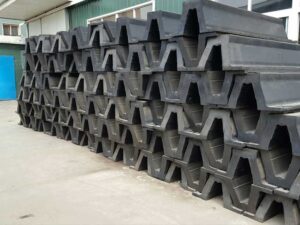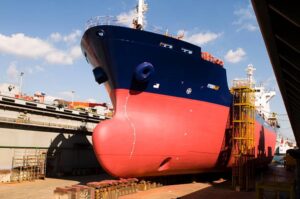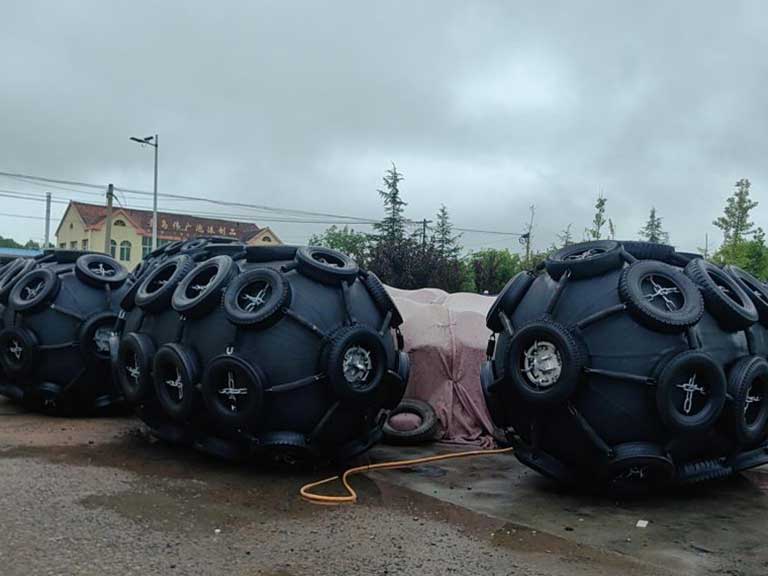
The primary function of rubber fenders is to absorb the impact energy generated when vessels are moored, berthed, or adrift, thereby protecting the ships. By cushioning these impacts, rubber fenders safeguard the hulls and marine infrastructure. This extends their service life and enhances operational safety.
As a top maker of marine gear, Henger Shipping Supplies provides high-quality rubber fenders for boats. We are a trusted partner for ports, harbors, and marine facilities worldwide. Because we know how to manufacture rubber fenders that meet international standards.
What Are Rubber Fenders?
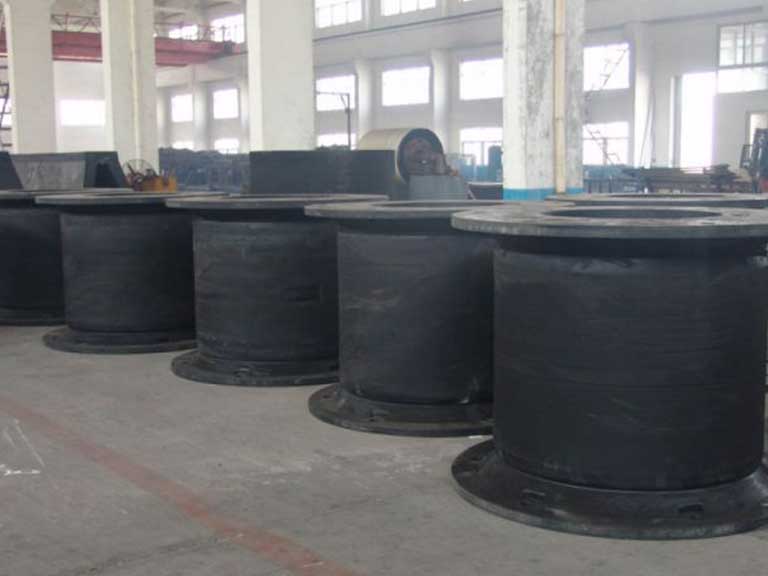
Rubber fenders are a crucial protective device in the shipping industry. They are made to soak up the kinetic energy that is created when a boat hits a docking structure. This lessens the impact and possible damage. These fenders are meant to buffer the impact of berthing operations on the hull of the vessel and the docking structure. Rubber fenders are quite important because they help keep repairs and downtime from costing a lot of money.
The Primary Purpose of the Rubber Fender
The function of rubber fenders is to absorb the kinetic energy generated by collisions between ships and docks. This effectively reduces the likelihood of damage to the vessel. This important job is necessary for safe and effective marine operations. We will look at two main ways that rubber fenders do this main job.
Absorbing and Dissipating Kinetic Energy
When boats dock, they create kinetic energy, which rubber fenders are designed to absorb and spread out. This ability to absorb energy is very important for lowering the forces that hit both the vessel and the docking structure. Rubber fenders absorb kinetic energy by compressing and changing shape, which lowers the chance of damage.
Rubber fenders come in all forms and sizes, which shows how flexible they are. This makes them good for many types of boats and docks. Their appeal is even greater because they are easy to set up, which cuts down on downtime.
Protection of Vessels and Structures
Rubber fenders protect both ships and the docking infrastructure. Rubber fenders make a buffer zone that keeps the vessel and the structure from touching each other directly. This greatly lowers the chance of damage to either one. When a ship is docking, the right fender systems keep the hull from getting scratched, dented, or damaged in any other way.
Additionally, rubber fenders protect port infrastructure, such as piers and quay walls, from the strong forces that ships bring with them when they arrive. This dual protection feature saves a lot of money by lowering maintenance costs and increasing the lifespan of both ships and port facilities.
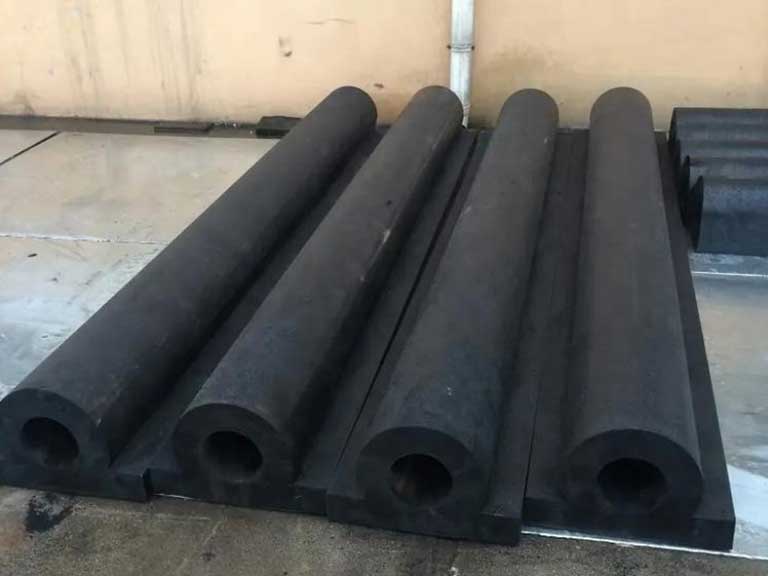
Applications of Rubber Fenders Across Maritime Industries
Rubber fenders are necessary for protecting boats and buildings, from ports to recreational boating. They are useful and work well in many different maritime sectors. So, they are an important part of many of them.
- Ports and Harbors: Rubber fenders are used in ports and docks. They protect the mooring infrastructure and the vessels themselves from damage during ship berthing. We choose high-quality rubber fenders since they last a long time and can handle large ships docking and undocking a lot.
- Shipping and Cargo Vessels: Rubber fenders protect the hulls of shipping and cargo ships from damage when they are loading and unloading, as well as when they are moored next to other ships or structures. The right rubber fender can save a lot of money on repairs and make the boat last longer.
- Marine Terminals: To guard against the kinetic energy of docking ships, marine terminals use rubber fenders. The fenders assist spread out the force of the collision, which protects both the terminal facilities and the boats from harm.
- Recreational Boating: Rubber fenders or boat dock fenders are used on boats and yachts for fun to protect the hull from damage when they are docking or mooring. These fenders keep boats looking good and working well while also making them last longer. We have high-quality rubber fender solutions that work with a wide range of recreational boats.
Conclusion
Rubber fenders are very important for keeping ships safe. Because they absorb and spread out kinetic energy as they dock. Henger Shipping Supplies makes high-quality rubber fenders that keep ships and infrastructure safe. Our products are better at absorbing shocks, last longer, and cost less. We keep making progress with rubber fender technology so that we can give our customers across the world solid solutions.
FAQ
High-quality rubber fenders provide superior shock absorption capabilities, durability, and resistance to environmental factors, ensuring the safety of vessels and structures during docking and mooring operations.
Rubber fenders absorb kinetic energy through molecular deformation, utilizing their elasticity to compress and then slowly return to their original shape, thus dissipating the energy and reducing the impact on vessels and structures.
There are many types of rubber fenders, such as cylindrical, D-shaped, arch, super arch, pneumatic, and Yokohama fenders. Each type is made for a different use and has its own benefits in terms of energy absorption and durability.
To choose the right rubber fender, consider factors such as vessel size and type, docking conditions, and environmental factors, and consult with industry experts to determine the most suitable fender type and size for your specific needs.
The durability of rubber fenders is affected by factors such as material quality, exposure to environmental elements, and maintenance practices, with high-quality fenders designed to withstand harsh marine conditions and provide long-term service.
Yes, rubber fenders can be customized to meet specific requirements, including size, shape, and material composition, to ensure optimal performance and compatibility with unique maritime applications.