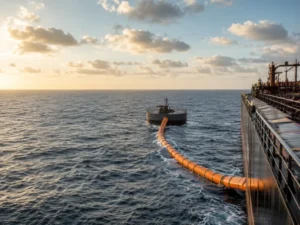
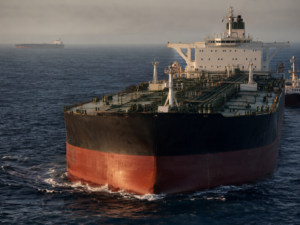
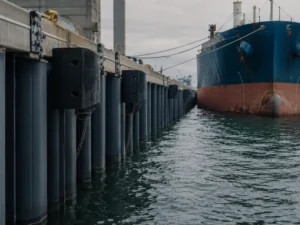
Ever wondered how big ships avoid damage when docking? The secret is rubber fenders. These devices soak up the shock of ships hitting the dock. They act as a shield between the ship and the dock.
Knowing how rubber fender systems work shows their key role in avoiding expensive damage. At Henger Shipping Supplies, we make top-notch rubber fenders. They keep ships and docks safe.
What Is A Rubber Fender?
A rubber fender is a cushioning device made of elastic materials. They are usually made to soak up and spread out kinetic energy. To soak up this energy, both docks and water vehicles need good rubber fenders. Otherwise, the results might be quite bad. So, a rubber fender is a silent protector of marine activities.
Rubber fenders are safety measures that are usually constructed of stretchy materials. The molded rubber fender then has a number of different physical properties. These traits could alter based on how they are used.
- Elasticity: Rubber fenders may stretch a lot. In this case, they let them change shape and soak up energy when they hit anything. Then it goes back to the way it was before.
- Tensile Strength: A rubber fender usually has a lot of tensile strength. This means they can handle a lot of stretching without breaking.
- Resistance: A rubber fender can also stand up to a wide range of weather conditions. It’s necessary to think about things like abrasion, weather, chemicals, and temperature.
- Compression Set Resistance: A rubber fender doesn’t easily get a compression set. It could hold its shape and work well even after being squeezed several times. It also makes sure that the product lasts a long time.
Rubber Fender Materials And Composition
Different materials are used to make rubber fenders, and each one has its own special qualities. These qualities make the fender last longer and work better. The correct materials make sure that rubber fenders work well in a variety of nautical settings.
Natural vs. Man-Made Rubber Compounds
Rubber is the main material used to make rubber fenders. It can be natural or synthetic. The latex from the rubber tree is what makes natural rubber. It is recognized for being very flexible and not being worn down easily. Synthetic rubber, which is manufactured from oil, is superior at resisting heat, oil, and chemicals.
Depending on how they will be used, we employ both natural and synthetic rubber in our fenders. If you need something that is really stretchy, natural rubber is the finest choice. Synthetic rubber is superior at handling chemicals and oil.
Reinforcement Materials And Performance Additives
Adding reinforcement materials is important for making rubber fenders stronger and longer-lasting. Cord cloth, steel wire, and polyester are all typical materials used to strengthen things. They make things less likely to break when they are compressed or hit.
To improve certain qualities, performance additives are applied to the rubber compound. Anti-aging chemicals can protect against ozone and UV rays. Filling rubber with silica and carbon black makes it stronger and more flexible.
Henger Shipping Supplies makes rubber fenders that protect ships better by choosing and combining different materials and methods. They are very important for protecting the ocean.

How to Make Quality Rubber Fenders?
Making high-quality rubber fenders is a complicated procedure that ensures they are strong, flexible, and work properly. Henger Shipping Supplies makes a wide range of nautical gear, such rubber fenders, using the most up-to-date methods. These solutions meet the highest standards for quality and dependability.
Methods for Molding and Extruding Rubber
The rubber extrusion process is the principal way to make rubber fenders. This means pushing the rubber compound through a die to give it a form. After being extruded, the rubber is molded into its final shape, which is different for each type of fender.
- A continuous extrusion technique makes cylindrical fenders.
- D-Type fenders are molded to make them strong and long-lasting.
- W-Type and Arch fenders are made for certain uses, which means that the molding process has to be quite exact.
We have high-tech machines in our facilities to make sure that every fender fulfills our high requirements for quality.
Testing and quality control methods
Quality control is an important aspect of how we make things. We do a lot of testing to make sure that our rubber fenders work as expected in a variety of situations.
- Checking the quality of the rubber compound by looking at the materials.
- Testing the body, such compression and shear tests.
- Evaluating performance in settings that are similar to real life.
We make sure our rubber fenders provide reliable protection for boats and maritime structures by following these quality control measures.
How Rubber Fenders Work
Rubber fenders work by absorbing and spreading out energy. This happens when the rubber material bends and then goes back to its original shape. Therefore, rubber fenders can absorb the impact force during ship berthing, protecting both the vessel and the wharf.
- Rubber’s stretchy nature lets it compress and then bounce back. This makes it perfect for fenders.
- When a ship hits a fender, the energy from the impact goes into the rubber. This makes the rubber bend to soak up the force.
- This bending slows down the ship gently. It stops the ship from stopping too fast, which could damage it or the dock.
The design of a rubber fender is key to how well it works. Things like its shape, the rubber it’s made of, and any extra support it has all matter. Modern rubber fenders are made to know exactly how they’ll act when hit. This ensures they work their best.

Benefits of Premium Rubber Fenders
Premium rubber fenders last longer and work better. They offer many benefits, including:
- They last longer and need less upkeep.
- They absorb energy better, which is safer for ships and docks.
- They resist damage from the sun, ozone, and saltwater.
- They’re designed for specific docking needs.
- They absorb energy predictably, making operations safer.
- They cost less over time because they last longer.
- They have strong parts that prevent sudden failures.
Our fenders are made to perform well for a long time. They give you great value for your money. Choosing premium rubber fenders from Henger Shipping Supplies boosts your docking safety and efficiency.
Types of Rubber Fenders
There are many kinds of rubber fenders for different needs at sea. You can pick the right one based on the ship’s size, where it docks, and what it needs.
We have many kinds of marine rubber fenders. They’re good for different places and situations. Some common ones are:
- Cylindrical rubber fenders are simple but work well in many places. They absorb energy in all directions.
- Arch rubber fenders are great for protecting ships. They absorb a lot of energy but don’t push back too hard.
- Wing rubber fenders have a special panel and rubber parts. They’re strong and last long in tough spots.
- Cone rubber fenders get softer as they compress. This makes them good for precise docking.
- Pneumatic fenders use air and rubber. They’re flexible and good for special needs.
At Henger Shipping Supplies, we have many fender designs. Our team helps pick the best one for your needs.

What Are Rubber Fenders Used For?
Rubber fenders are used in many different fields. They are handy in many different situations since they can absorb a lot of tension. Rubber fenders are used a lot in these big areas:
- Ports & Harbors: Dock fenders are typically put up along the walls of docks and quays. They keep ships safe when they are docking and mooring. Dock fenders keep the port and water vehicles safe. They make maritime activities run more smoothly.
- Shipping Industry: Boat and dock fenders are used a lot to make all sorts of ships and boats. The rubber fenders on the boat keep the hull safe from collisions with other boats. It also keeps the hull safe from locks and piers.
- Marine Terminals: Marine terminals need marine rubber fenders. They keep cranes and other equipment used for loading and unloading safe. Marine rubber fenders make sure that things are transported safely and without any problems.
- Building Interiors: Inside the structure, rubber fenders are put in to absorb shocks. People often employ these rubber items in locations with a lot of foot traffic, such as parking garages and warehouses. They help keep cars, walls, and columns safe inside.
- Recreational Boating: Boat dock fenders are quite common in the manufacture of recreational boats. These rubber materials are used on boats and yachts to keep the hull from becoming damaged when they are docked or moored. These fenders make boats last longer while keeping them beautiful and practical.
Installation Methods And Mounting Systems
To get the most protection out of fenders, you need to know how to install rubber fender on correctly. Henger Shipping Supplies has expert protective solutions for a wide range of maritime demands. This keeps ships and docks safe and sound.
Hardware for mounting docks and piers
Choosing the right mounting hardware is very important for safely and effectively putting rubber fenders in place. Some common categories are:
- Chain and anchor systems that hold fenders in place on the dock or pier.
- Mounting systems with bolts that make a strong connection.
- Rubber fender brackets that may be moved and changed to fit.
There are pros and cons to each method, and they work best in different weather and with different types of fenders. For example, D fenders are quick to put up, cheap, and can handle rough conditions with little upkeep.

Things to Think About and Do When Installing
To put rubber fenders on correctly, you need to plan and carry out the installation carefully. These are some good things to keep in mind:
- Look at the weather, the tides, and the water currents to figure out where the best area to put the fender is.
- Choose the right size and style of fender based on how many boats are in the area and how they are docking.
- Make sure that the mounting hardware works with both the fender and the dock or pier structure.
- Check the installation often for signs of wear or damage.
We can make sure that rubber fenders work at their best by following these rules. They are a proven way to secure marine infrastructure.
We know that the appropriate way to install rubber fenders may make them work better and last longer. We are committed to giving you competent advice and top-notch goods. Our goal is to fulfill the changing demands of the maritime sector.
Maintenance Requirements And Longevity Factors
Regular checks and maintenance are very important for the long life of rubber fenders. Good maintenance not only makes rubber fenders last longer. It also makes sure that they defend ships from collisions in the best way possible.
Inspection Plans and Schedules
Regular checks are important for finding problems early. You should check your rubber fenders at least once every six months. This happens more often in places with a lot of traffic or bad weather. Inspections should include:
- Look for evidence of wear, such cracks, cuts, or abrasions.
- Check the fender’s attachment mechanism for any evidence of damage or loosening.
- Checking the fender’s size to see whether it has changed shape
Keeping thorough records of inspections helps with planning repairs and replacements. Checklists for inspections make sure that everything is done thoroughly and consistently.
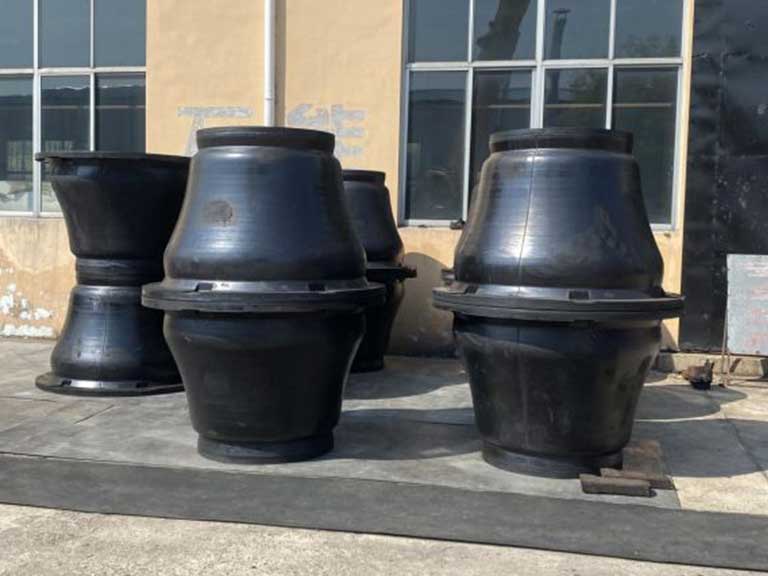
Common Ways Things Get Damaged and Worn Out
Rubber fenders can get damaged in a number of ways, such as:
- Cracking from UV rays or very high or low temperatures
- Repeated contact with vessels or structures might cause abrasion
- Deformation caused by too much force or bad installation
Knowing these damage patterns might help you make better preparations for inspections and repairs. For instance, fenders that are exposed to a lot of UV light may need to be checked for surface cracks more often.
Strategies For Extending Service Life
To extend rubber fender lifespan, several strategies are effective:
- Cleaning it often to get rid of debris and marine growth that can cause wear and tear
- Adding protective coatings to make things more resistant to UV and ozone
- Making sure that the installation and alignment are correct to reduce tension that isn’t evenly distributed
Most of the time, rubber fenders need to be replaced every ten years. Depending on the use, the climate, the quality of the materials, and the history of maintenance, this time range may change. A proactive maintenance plan may greatly increase their lifespan, making sure they always protect you.
Extruded vs. Molded Rubber Fenders
There are two main ways to make rubber fenders: extrusion and molding. These methods affect how well the fenders work, their cost, and where they can be used.
At Henger Shipping Supplies, we have a wide range of both extruded and molded fenders. Our goal is to offer affordable and effective solutions for different needs and environments.
Manufacturing Processes Compared
How a rubber fender is made changes its features. Extruded fenders are made by pushing rubber through dies to create long profiles. This method is good for making fenders that look the same, making it cheaper for common designs.
Molded fenders, on the other hand, are made by shaping rubber in molds under heat and pressure. This allows for more complex shapes and special features, but it costs more than extrusion. Molded fenders usually perform better, though.
We use both methods to find the best mix of quality and cost for our customers. Our team picks the right method for each fender based on its needs, ensuring top quality and function.
- Extruded fenders are great for common uses, being a cost-effective choice.
- Molded fenders offer better performance and customization, perfect for complex needs.
- Our team chooses the best method for each project.
Understanding the differences between extruded and molded fenders helps us meet our customers’ needs better. We provide the right solutions for their marine needs.

Key Factors in Rubber Fender Selection
Choosing the right fender system is key for good performance and lasting use. Marine environments are complex, so picking the right fender needs a careful approach.
Vessel and Environmental Considerations
The size and shape of a ship, along with how fast it moves, affect the fender system’s energy needs. The environment, like tides and waves, also matters a lot in picking the right fender.
- The size and design of a ship affect the energy needs of the fender system.
- Environmental factors like currents and waves influence fender design.
- How often a ship docks and its approach angles are important.
- The strength of the docking area is also a key factor.
At Henger Shipping Supplies, our team carefully looks at these factors to suggest the best fender setup for each situation. We have a wide range of standard fenders and can make custom ones for special needs.
| Factor | Consideration | Impact on Fender Selection |
| Vessel Size | Energy absorption requirements | Fender type and size |
| Environmental Conditions | Tidal ranges, currents, and wave action | Fender design and mounting |
| Berthing Facility | Structural integrity, load-bearing capacity | Fender configuration and installation |
| Operational Factors | Berthing frequency, approach angles | Fender durability and maintenance |
We evaluate these factors carefully. This way, we can offer fender solutions that fit our clients’ needs perfectly.
Henger Shipping Supplies’ Rubber Fenders
Henger Shipping Supplies is a top name in the marine world. We offer top-notch rubber fenders for safety and durability. Our long experience in making marine products has helped us create a wide range of rubber fenders. Our range includes:
- Standard profiles like D-fenders, arch fenders, and cylindrical fenders
- Specialized solutions for unique needs
- The biggest stock of standard fender profiles, for quick service
- Advanced production tools for consistent quality
- Strict quality checks at every step
- Expert technical support from start to finish
- Fenders are made for reliable use in tough marine settings
- We listen to maritime experts to improve our products
Our factory is equipped with the latest tech for top-quality fenders. We have the biggest stock of standard fender profiles. This lets us quickly meet customer needs without sacrificing quality.
At Henger Shipping Supplies, we aim to provide the best rubber fenders for the marine industry. Our focus on quality, innovation, and customer happiness makes us a go-to for maritime pros worldwide.

Customization Options for Rubber Fenders
Modern maritime operations face unique challenges. Henger Shipping Supplies customization options include pre-curving fenders, drilling for precise mounting, and chamfering edges. This ensures they work best for each installation.
We work closely with our clients to create custom designs. Our engineering team helps understand their specific needs. This way, our bespoke fenders meet their exact requirements.
- Pre-curved fenders to match specific radii for smooth berthing operations
- Drilling for precise mounting configurations to ensure secure installation
- Chamfering edges for optimal performance and reduced wear
- Manufacturing bespoke fenders to non-standard dimensions for unique berthing structures
- Providing custom color options for visual identification or aesthetic considerations
We use advanced manufacturing techniques for our customized fender solutions. Our technical team provides detailed installation guidance. This ensures our fenders perform well and last long.
| Customization Option | Description | Benefit |
| Pre-curving | Fenders curved to specific radii | Smooth berthing operations |
| Drilling | Precise mounting configurations | Secure installation |
| Chamfering | Edges chamfered for optimal performance | Reduced wear and tear |
| Bespoke Manufacturing | Fenders made to non-standard dimensions | Unique berthing structure compatibility |
Our customization options help our clients improve their berthing operations. This enhances safety and cuts down on maintenance costs. Our commitment to quality and customization shows our dedication to the maritime industry’s evolving needs.

Conclusion
Choosing the right rubber fender system is key for safe maritime operations. It affects safety, maintenance costs, and how long your equipment lasts.
At Henger Shipping Supplies, we help you choose the right fender, whether it’s a standard one or a custom-made one. Our range includes D-profiles, tug boat fenders, and foam-filled pneumatic systems.
We make fenders fast and deliver them worldwide. Our global network and manufacturing facilities make it happen. Our fenders meet tough maritime standards. They’re designed for demanding jobs. Contact us to see how our fenders can improve your maritime work.
FAQ
What types of marine fenders do you offer?
We have many marine fenders, like D-type, cylindrical, and Yokohama fenders. They fit different vessel sizes and docking needs.
How do I choose the right fender for my vessel?
Choosing the right fender depends on your vessel’s size, type, and docking needs. We consider these to suggest the best fender for you.
Can I get customized fenders tailored to my specific requirements?
Yes, we can make fenders just for you. We can customize sizes, shapes, and designs for the best protection.
What are the benefits of using high-quality marine fenders?
High-quality fenders last longer and need less maintenance. They protect your vessel well, saving you money and keeping it safe.