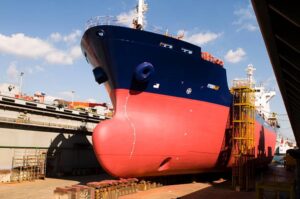
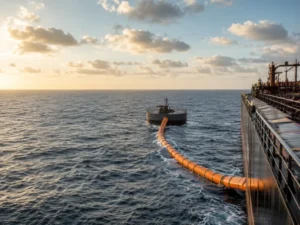
When a ship “berths,” it means that it is brought to a specific docking spot in a port or harbour, called a berth, and secured there. This is a very important part of port operations. Because it lets people and goods come and depart, and lets repair, refuelling, and other vital services take place.
As a professional marine equipment manufacturer, Henger Shipping Supplies fully understands the critical importance of berthing operations in ensuring the smooth execution of maritime activities. Our knowledge of how to provide professional security solutions makes it easier to move cargo and increases port productivity.
Understanding Shipping Berthing
Berthing is an important part of the shipping business. It makes sure that boats are safely tied up, which makes it easier for marine activities to go smoothly. We will look into the meaning and basic ideas behind shipping berthing, which is an important part of how ports work.
Definition and Basic Concepts
Shipping berthing means tying up a ship at a certain spot in a port or harbour. It gives a stable base for a variety of maritime activities. A berth is a place where a ship can temporarily “park” and stay still while it does its work.
To berth a ship, you have to carefully steer it, place it, and then tie it down. This lowers risks and makes sure that operations run smoothly. Different kinds of ships need different kinds of berthing facilities depending on their size, draft, kind of cargo, and operational needs.
| Berth Characteristics | Description | Importance |
| Mooring Equipment | Facilitates secure vessel mooring | Ensures vessel stability |
| Fenders | Protects vessels and berth structures | Prevents damage during berthing |
| Access Points | Enables safe loading/unloading operations | Enhances operational efficiency |
| Cargo Handling Facilities | Supports efficient cargo operations | Reduces vessel turnaround time |
Maritime professionals need to know these basic ideas. It makes sure that ships are handled safely and efficiently in port. To manage berthing well, the crews of the ships, the port authorities, the terminal operators, and the different service providers all need to work together.
What is a Shipping Berth?
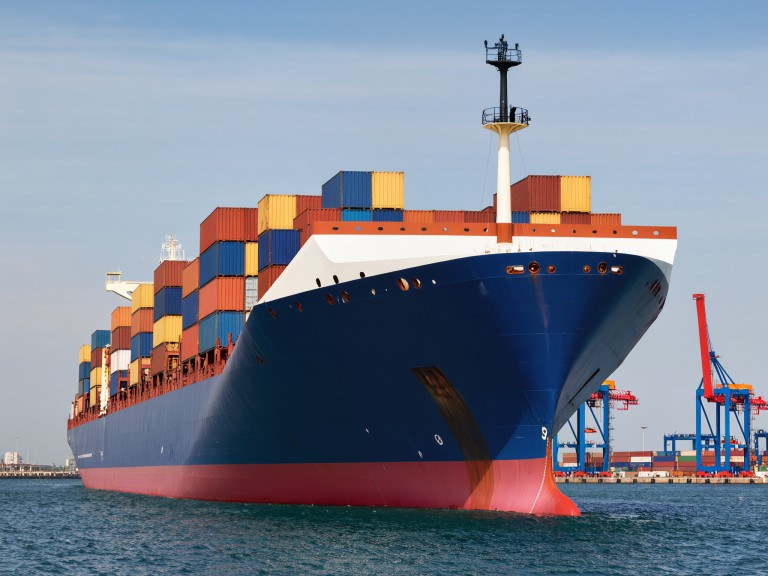
A “berth” is a specific spot in a port or harbour where a boat can dock. Most of the time, it’s used for moving cargo. Berths are very important for getting ships loaded and unloaded quickly. Their design and management are very important to how the port works.
Physical Characteristics of Berths
Berths have certain physical features that make them suitable for different types of ships and operating purposes. Some of these traits are:
- Strengthened structures to handle the forces that moored boats put on them
- Sizes that change depending on how they will be used, from little boats to big container ships
- Enough water depth to safely hold the vessel’s draft
The design of berths also includes unique tools like ship bollards, cleats, and fenders. These keep the ships safe and safeguard both the ship and the berth structure. The layout and placement of berths in a port are designed to keep them safe from bad weather.
| Berth Characteristics | Description | Importance |
| Length | Approximately 10% longer than the largest vessel | Ensures safe maneuvering and docking |
| Depth | Sufficient to accommodate the vessel draft with a safety margin | Prevents grounding during low tides or when fully loaded |
| Structural Integrity | Reinforced concrete or steel structures | Withstands forces exerted by moored vessels |
The Critical Role of Berthing in Port Operations
Berthing is an important part of port operations that affects trade costs and efficiency around the world. It’s important to know how ports work and what they do in the supply chain.
Berthing is an important part of port operations since it affects how well things run, how much they cost, and how well the supply chain works. Efficient berthing cuts down on the time ships have to wait and the number of ships in the harbour. This makes freight operations proceed faster, which ensures that items arrive on schedule.
Impact on Supply Chain Efficiency
Berthing has a big effect on how well the supply chain works. A well-managed berthing process makes sure that items move smoothly, which cuts down on delays and improves the performance of the supply chain.
- Berthing links transportation networks on land and at sea.
- Efficient berthing increases the port’s capacity and competitiveness.
- Delays in berthing can mess up the supply chain.
- Better berthing schedules cut down on wait times and traffic.
| Aspect | Impact of Efficient Berthing | Consequence of Inefficient Berthing |
| Port Congestion | Reduced vessel waiting times | Increased congestion and delays |
| Cargo Operations | Timely cargo handling and distribution | Delays in cargo delivery |
| Supply Chain Performance | Improved overall supply chain efficiency | Ripple effects causing production and inventory issues |
In conclusion, berthing is very important for the efficiency of ports and the supply chain. Improving the berthing procedure makes ports more competitive and makes international trade go more smoothly.
Essential Functions of Shipping Berths
Shipping berths are very important in the marine industry because they make it easy to move cargo between ships and shore facilities. These docks are safe and efficient places to load and unload cargo, which is important for the efficiency of the supply chain.
- Cargo Handling: At shipping docks, moving cargo around is a complicated process. Today’s docks have high-tech tools, including ship-to-shore cranes for containers, conveyor systems for bulk materials, and pumping stations for liquids.
- Vessel Stability: Mooring and stability keep ships safely in place while they are loading and unloading. Mooring systems keep boats from moving about during loading and unloading by fighting against tides, currents, winds, and other boats.
- Maintenance Facilities: Berths are important places for ships to get maintenance and repairs done. These include regular checks and emergency repairs, which help transportation businesses stay ready and follow safety rules.
- Customs Processing: Paperwork and customs processing are very important for moving lawful products across borders. Berths are important checkpoints. This is where cargo manifests are checked, customs checks are done, and clearances are obtained.
Types of Shipping Berths
Different types of shipping berths meet different demands since they are built differently, connect to the shore differently, and carry different types of goods. We’ll look into the many types of berths to understand what makes them unique and how they’re used.
- Classification by Construction Method: Construction procedures split berths into two types: solid and open construction. Gravity walls or sheet piles keep solid berths stable. Open berths that are supported by piles are flexible, but they can only hold so much weight. These strategies work for varied geological and operational purposes.
- Classification by Shore Connection: Shore connection is an important way to group things. Finger piers stick out from the beach, making the most of the area and being good for passenger ships and some cargo. Offshore berths are separated from the shore for safety reasons and are used for handling hazardous cargo.
- Classification by Cargo Type: Berths are grouped by the type of cargo they carry. Bulk berths have conveyor belts that move bulk cargo. Container berths have yards and cranes for containers. General cargo berths may hold a wide range of cargo. Liquid cargo berths have safety features for chemicals and oil.
Factors Affecting Berthing Times
Berthing timings are very important for port operations. A lot of things can change these days, which makes planning and getting things done harder. Knowing these things can help improve port operations and cut down on delays.
- Size and Features of the Vessel: The size and features of the vessel have a big effect on how long it takes to dock. Larger ships need more time since they have to do more complicated maneuvers. To dock safely, you need special equipment and good synchronisation.
- Port Congestion and Traffic: Traffic and congestion at the port can change the times when ships can dock. There are delays during busy times or when ships arrive at the same time, which causes berth lineups.
- Weather and Environmental Conditions: Bad weather can make it take longer to dock. Strong gusts, storms, or high seas make docking harder and take longer to execute safely.
- Terminal Efficiency and Equipment: The amount of time it takes to berth a ship depends on how efficient the terminal is and how available its equipment is. Modern ports use cutting-edge technology to make it easier to secure ships.

Berthing Process and Procedures
For port operations to work, berthing must be done correctly. It includes planning ahead of time, getting close to the port, and safely docking. We provide the most important measures for handling vessels safely and efficiently.
- Planning Before Arrival: Planning before arrival starts 24 to 72 hours before a ship arrives. Operators of vessels give information to port authorities. The type of ship, the type of cargo, and the availability of the terminal all affect how berths are assigned. Port systems make the best use of facilities and minimise delays by optimising berth assignments.
- Approach and Docking Maneuvers: The approach phase is a complicated process that involves the vessel’s bridge team, port pilots, and maritime traffic services all working together. They securely steer through the waters of the port. During the final approach, pilots board ships at designated pilot stations to give local knowledge. When docking, you need to be very careful, and sometimes you need help from a tugboat if the weather is bad or the boat is big. As the ship gets closer to the berth, it slowly slows down.
- Securing the Vessel: To secure the vessel, you need to put the mooring lines in a certain order. This keeps the ship safely in place next to the berth. Changes in tides, weather, and cargo activities that could affect stability are all taken into account. Modern ports employ things like automated mooring devices and laser docking systems. These make things safer and more efficient, which cuts down on the time it takes to secure ships.
Safety Considerations During Berthing
Making sure that berthing is safe is not easy. It entails thorough risk evaluation and management methodologies. To be safe while berthing, you need to know about the dangers that could come from the ship’s characteristics, the berth conditions, the weather, and the way things are done.
Making thorough berthing plans is one of the best ways for professionals to control risk. These plans spell out the approach speeds, angles, mooring arrangements, and emergency procedures that are specific to each vessel and berth combination. During berthing, the weather is a big safety issue. To avoid accidents, operations should be put on hold or changed when the wind and waves reach certain levels.
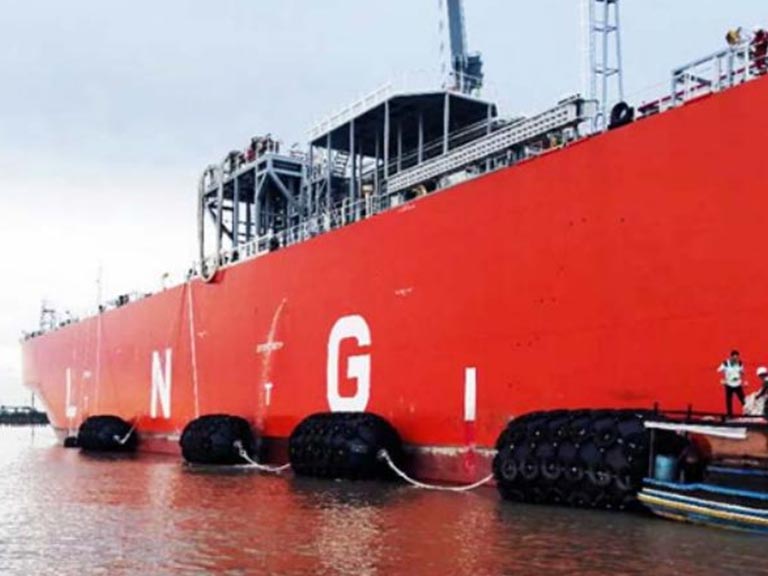
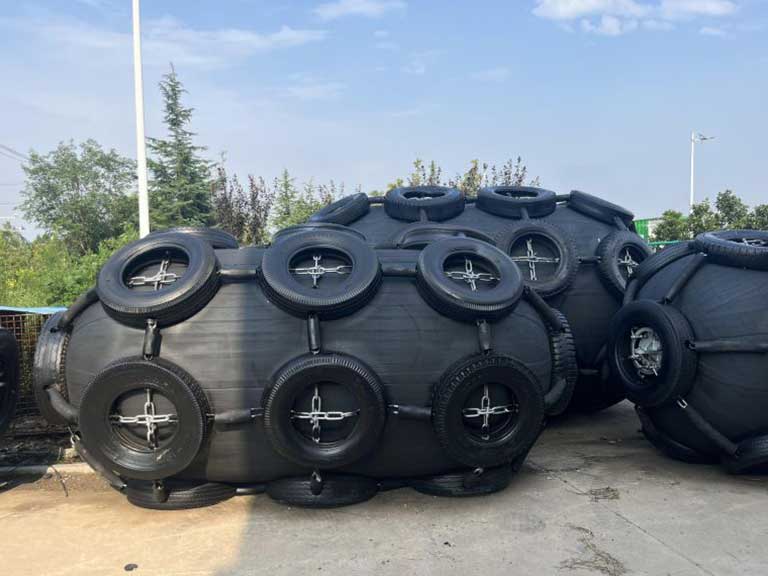
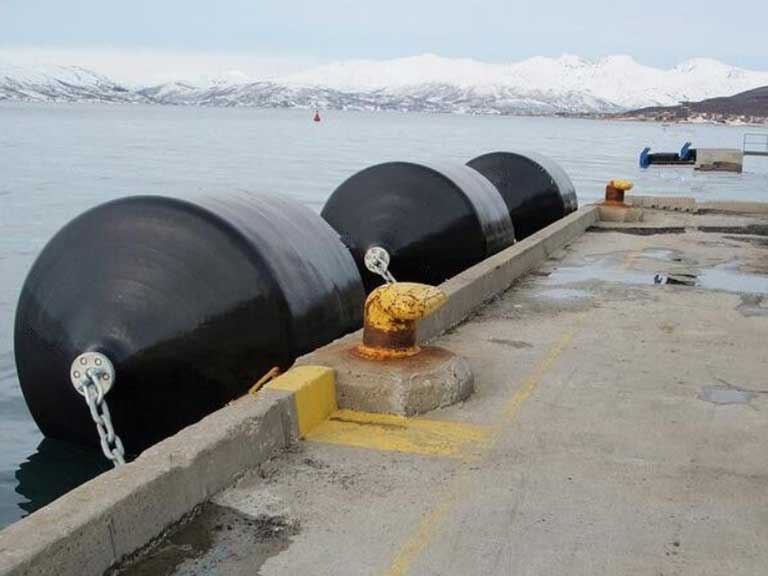
In addition, for safety during berthing, protective gear is very important. Pneumatic fenders, rubber fenders, marine air bags, and foam fenders are all systems that absorb impact energy. They keep both ships and port facilities safe from harm.
Marine Protection Solutions for Safe Berthing
Safe berthing procedures are very important for the shipping industry. Marine protection technologies are very important for keeping ships and infrastructure secure. We design and make a lot of different types of marine equipment at Henger Shipping Supplies to keep things safe when they are docked and moored.
- Pneumatic Fender: Pneumatic fenders are great at absorbing energy while not putting a lot of strain on the object. They are great for berthing operations with boats of all sizes in all kinds of weather.
- Rubber Fender: Cone, cell, and cylindrical rubber fenders all offer reliable protection and don’t need much maintenance.
- Marine airbags: Marine airbags act as temporary fenders when a ship is being launched, dry-docked, or in an emergency berthing situation. They safeguard you without costing a lot.
- Foam Fenders: Foam fenders have a strong foam core and a protective outer covering. They work well all the time during their service life, with no chance of unexpected failure.
Our full range of maritime protection services is designed to meet the needs of shipyards and harbor owners. They make sure that berthing activities are safe, which protects important ships and infrastructure.
Optimising Berthing Operations
Berthing operations are very important for making shipping and trade work better as a whole. To get the most out of these operations, you need to take a multi-faceted strategy. This brings together cutting-edge technologies, simplified processes, and better communication between everyone involved in the port ecosystem.
Port Management Information Systems (PMIS) are examples of technology solutions that let you track the movements of ships, the availability of berths, and the operations of cargo in real time. Automated mooring systems and other automation technology make it much faster to secure ships.
Setting up appointment procedures for vessel arrivals is the most important thing to do for effective berthing. It’s also important to set up clear rules for prioritising tasks and encourage people to work together to plan. Data analytics help find patterns and guess where problems might happen, which makes things run more smoothly.
Global Standards and Regulations for Berthing
The International Maritime Organisation (IMO) sets global standards for berthing, which affects rules in different areas and countries. The IMO is in charge of making rules for international shipping, and it does so by creating a whole set of rules. This framework covers the safety of ships, how to avoid pollution, and how to run a business.
The IMO’s Safety of Life at Sea (SOLAS) agreement has rules for how to dock ships. It sets rules for the equipment on ships, the qualifications of the crew, and how they should talk to each other. These rules guarantee that safety requirements are the same for all international shipping, which makes it easier and safer for ships to move between ports.
The European Maritime Safety Agency and the United States Coast Guard are two examples of regional maritime authorities that follow IMO principles but add their own rules for each location. Local port administrations also change these rules to fit the needs of their own facilities. This covers the depth of the channels, the layout of the berths, and the weather at the time.
| Regulatory Aspect | Description | Impact on Berthing |
| Vessel Equipment | Requirements for safety equipment on board | Enhances safety during berthing operations |
| Crew Qualifications | Standards for crew training and certification | Ensures competent handling of vessels during berthing |
| Communication Protocols | Standardized communication procedures | Facilitates clear communication between the vessel and port authorities |
Conclusion
Berthing procedures are very important for moving goods smoothly between land and sea. Henger Shipping Supplies makes and designs marine equipment that makes it safe and easy to dock. We sell marine air bags, foam fenders, rubber fenders, and pneumatic fenders. When ships dock, they can keep them and the port’s infrastructure safe.
Shipyard owners and port owners can make their ships safer and lower their maintenance expenses by using our professional ship protection systems. This can also make maritime operations more efficient overall. This helps commodities move smoothly, and trade between countries expands.
FAQ
What factors determine the berthing time of a vessel?
The size of the ship, how busy the port is, the weather, and how well the terminal works all affect berthing time. We look at these things to make berthing procedures as smooth as possible and cut down on delays.
What types of cargo can be handled at a shipping berth?
Shipping berths can hold several kinds of goods, such as containers, bulk cargo, and liquid cargo. The berth’s design and equipment determine how well it can handle different types of cargo.
How do port authorities ensure the safety of vessels during berthing?
The port officials use a number of safety measures. Some of these are doing detailed risk assessments, wearing protective gear, and making preparations for what to do in case of an emergency. These processes are very important to make sure that ships are safely docked.
What role do marine protection solutions play in safe berthing?
To safely dock, you need marine protection systems. Some of these are air bags for boats, foam fenders, and rubber fenders. These technologies help keep both the ships and the infrastructure at the berth from becoming damaged when they are docking.
What are the key considerations for optimising berthing operations?
There are a few important things to take to make berthing operations as efficient as possible. Using technology and following best practices are both very important. It’s also quite important for stakeholders to be able to talk to each other. These steps help cut down on delays and make things run more smoothly.