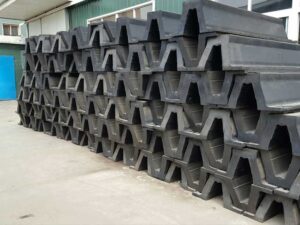
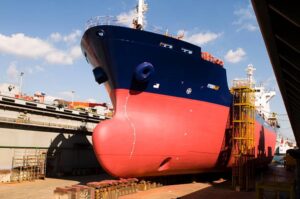
You may be familiar with fenders, but are you familiar with polyurethane foam fenders? In modern ports and ship transportation, collisions and impacts during berthing are inevitable. Polyurethane fenders are an upgraded version of the traditional fenders and can effectively avoid these problems.
What is a polyurethane fender? What is its structure? What is its function? As a professional foam fenders suppliers, HENGER will provide detailed answers to these questions to help you better understand polyurethane fenders.
Understanding Polyurethane Foam Fenders
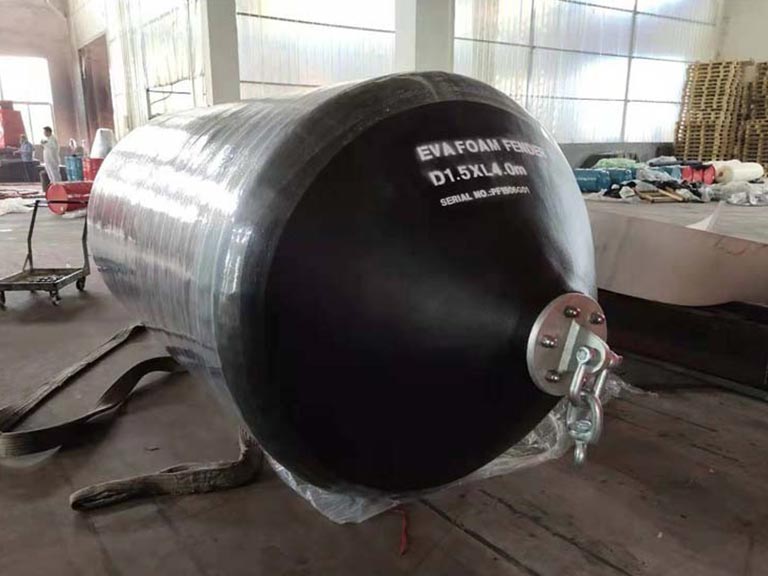
Polyurethane foam fenders, also known as foam-filled fenders or EVA foam fenders. They are compressible marine buffers designed to absorb kinetic energy from vessel impacts. They consist of a closed-cell foam core encased in a tough polyurethane elastomer skin, often reinforced for added strength. Unlike pneumatic fenders, which rely on air pressure, these use foam’s inherent resilience. This makes them unsinkable even if punctured.
In high-impact environments like busy ports or offshore platforms, proper fendering prevents costly damage to hulls, docks, and structures. Fenders must balance energy absorption with low reaction forces to minimize stress on vessels. Polyurethane foam fenders excel in this regard, delivering outstanding performance even under harsh conditions. Furthermore, they require minimal maintenance, thereby reducing long-term costs for operators.
Structure of Polyurethane Foam Fenders
Polyurethane fenders have a simple design structure, which is why they are easy to maintain. There are three main parts to the design structure, and each part plays a key role:
- Foam Core: Made from closed-cell polyethylene (PE) or ethylene-vinyl acetate (EVA) foam, this provides high energy absorption. Closed-cell structure means sealed air pockets that prevent water ingress, ensuring buoyancy and stability even after repeated compressions. Density typically ranges from 50-70 kg/m³ for optimal resilience.
- Coating: The coating is a highly resilient coating, commonly made of polyurethane or rubberized outer skin material. These materials are highly resistant to seawater and natural erosion, which greatly enhances the life of the fender.
- Anchoring system: The anchoring system provides strong support and ensures that the fender can be easily fixed. In addition, it can be customized according to the installation environment to ensure that it meets the requirements of different environments.
Variations include cylindrical, donut-shaped, or custom designs for specific uses, such as around monopiles in offshore wind farms.
Advantages of Polyurethane Foam Fenders
These fenders provide distinct benefits over traditional pneumatic or rubber alternatives. They are backed by performance data and industry standards.
| Advantage | Description | Comparison to Alternatives |
|---|---|---|
| High Energy Absorption | Absorb 1.2-1.5 times more energy than pneumatic fenders, with metrics like 180 ft-kip (25 ton-m) at 60% compression for a 5×10 ft model. | 40% higher than pneumatic; better than rubber in the deformation range. |
| Low Reaction Force | Efficient energy-to-reaction ratio (e.g., 134 kip at peak absorption), reducing hull pressure. | Lower than solid rubber, similar to pneumatic but without deflation risk. |
| Anti-Aging and Corrosion Resistance | Resistant to seawater, UV, and weather; service life up to 15-20 years. | Superior to rubber (prone to cracking); pneumatic needs pressure checks. |
| Maintenance-Free Design | No inflation required; unsinkable even if damaged. | Eliminates pneumatic’s leak risks; less upkeep than rubber. |
| Lightweight and Easy Installation | 30-50% lighter than equivalents, reducing labor and transport costs. | Easier than heavy rubber; pneumatic can be bulky when deflated. |
These features make them cost-effective long-term, with PIANC-compliant designs ensuring reliability.
Application areas
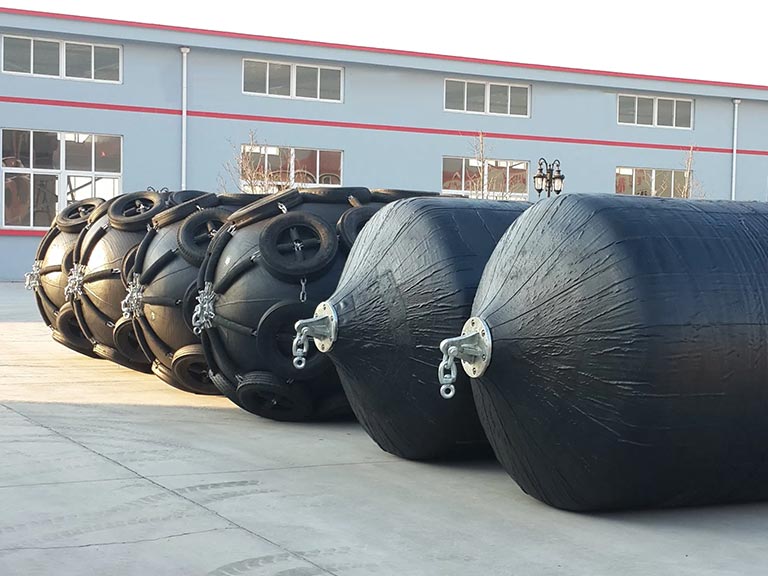
Polyurethane fenders have excellent performance and wide applicability. It is currently used in a variety of marine transportation and offshore operations. The following are the common application areas:
- ports and terminals: suitable for large cargo ships, container ships, tankers, and other types of ships.
- offshore operations: to provide protection for offshore oil platforms, floating production storage and offloading units (FPSOs), and other equipment.
- Yachts and small vessels: lightweight and easy to install, suitable for the individual needs of private marinas and small berths. This is essential for the protection of yachts and small boats.
How to Choose and Install Polyurethane Foam Fenders
To maximize its value, you should consider the following factors:
- Assess Needs: Calculate the berthing energy (e.g., using the PIANC formula) and select the size based on the vessel’s tonnage. For example, medium-sized vessels should choose fenders with a 20-ton capacity.
- Consider Environment: Opt for UV-resistant skins in sunny areas. And thicker foam for extreme cold.
- Installation Checklist: Secure anchors firmly, test compression, and inspect annually for wear.
- Sizing Guide Example: For a 10,000-ton vessel, choose fenders with ≥266 ft·kips energy absorption.
Summarize
Polyurethane foam fenders offer a more efficient and safer means of protection as an alternative solution to traditional pneumatic fenders. It plays an important role in modern harbors as well as in marine facilities.
At HENGER, we can offer you specialized solutions for ship protection. In addition to foam fenders, we also offer rubber fenders/pneumatic fenders and marine airbags. If you have any questions, please feel free to contact our team for professional advice.