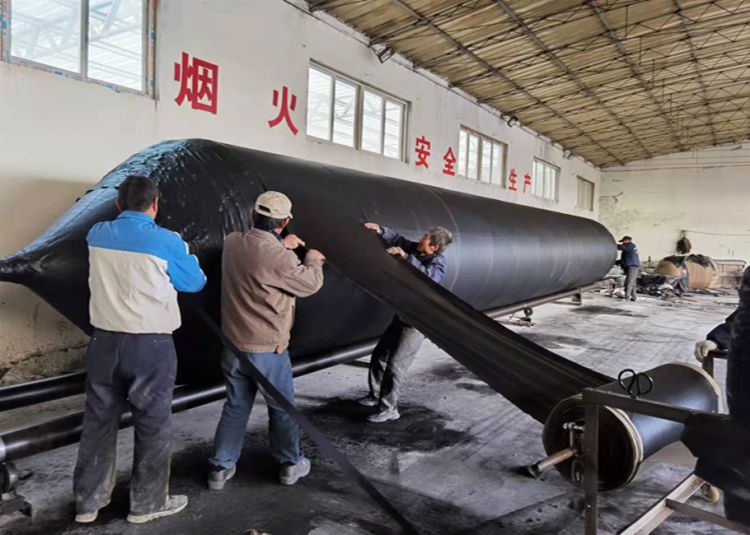
Rubber fenders, or bumpers, protect both ships and docks from damage. To change and fit rubber fenders, take off the old ones, clean the area, measure and mark for new holes, and drill them straight. Then, drill anchors (if necessary), insert bolts, place a new fender, and tighten, flush, and seal, using appropriate marine hardware and sealant.
At Henger Shipping Supplies, we have years of experience making top-notch marine products. We’ll show you how to replace and install a rubber fender correctly. This ensures your vessel stays safe and your equipment lasts longer.
Understanding Rubber Fenders and Their Importance
Rubber fenders act as shock absorbers, dispersing the energy generated by vessel impacts. This prevents damage to the hull, harborside structures, or costly repairs.
Common Types of Marine Rubber Fenders
Marine fenders come in various designs to suit different vessel sizes, berthing energies, and environmental conditions. Key types include:
| Type | Description | Common Applications |
|---|---|---|
| Cylindrical | Hollow or solid tube shape; simple, versatile, often suspended by chains | Tugboats, small ports, general berthing |
| D-Type/Extruded | D-shaped profile; low-cost, easy to install | Small vessels, marinas, workboats |
| Arch (V-Type) | V-shaped for higher energy absorption | Medium-duty docks, ferry terminals |
| Cone | Conical shape for excellent stability and high deflection (up to 72%) | Large container terminals, high-tide areas |
| Cell/Super Cell | Cylindrical with hollow centre; high energy absorption | Heavy-duty ports, bulk cargo terminals |
| Pneumatic (Floating) | Inflatable with tire-cord reinforcement; low reaction force | Ship-to-ship transfer, exposed locations |
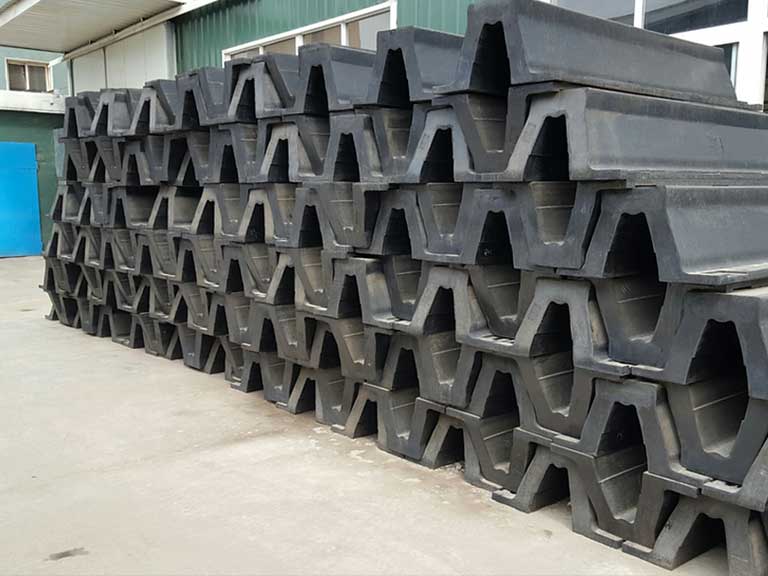
When to Replace Your Rubber Fenders
Inspect regularly (at least every 6 months, more frequently in harsh conditions). Replace if you observe:
- Visible cracks, cuts, or abrasions
- Loss of elasticity (permanent deformation)
- Hardening or UV degradation
- Reduced energy absorption
- Corrosion on fasteners or chains
Preparation and Required Tools
Getting ready is key to a good fender installation. Make sure you have all the right materials and tools before you start.
- You’ll need new rubber fenders, PVC strips, marine adhesive, sealant, and stainless steel fasteners for a successful install.
- You’ll need a tape measure, screwdrivers, an electric drill, a sealant gun, and brushes for the job. These tools help you get it done right.
Pre-Installation Surface Preparation
Getting your surface ready is key to a good fender install. Clean the area well to remove old glue, dirt, or other stuff. It’s best to use marine-grade parts to handle saltwater and UV rays.
Start by measuring and marking where you’ll put the fenders. Make sure the area is clean and dry. Also, check that your tools work well.
Keep your tools and parts easy to reach. This makes the install smoother and cuts down on mistakes. If you’re replacing old fenders, check the surface for damage first.

How to Replace and Install Rubber Fenders
Replacing and installing rubber fenders requires careful steps. We’ll show you how to do it right. This ensures your boat stays safe and protected.
Removing Damaged Fenders
- First, take out the old fenders carefully. Loosen the fasteners slowly. You might need to heat them up to soften the old glue.
- Loosening the fasteners and glue is a bit tricky. Use heat to soften the glue. This helps remove the old fender without harming the boat’s structure.
- After removing the old fender, clean the area well. Get rid of all glue, dirt, and stuff to make sure the new fender sticks well.
Installation Process
The installation process has important steps to follow. This ensures the fender system works right.
- Measurement and Positioning: Measure and mark the spot for the new fender carefully. Make sure the holes line up with where the boat touches during docking.
- Drilling and Hole Preparation: Choose the right drill bit for your screws or bolts. Drill holes the same depth and clean them with a brush and acetone to remove dust.
- Applying Adhesive and Sealant: Use marine-grade glue and sealant when it’s not too hot or cold. Apply it evenly for a tight seal.
- Securing with Screws and Bolts: When you put on screws and bolts, tighten them slowly. This helps avoid warping or uneven mounting.
- Final Adjustments and Checks: Do a final check to make sure everything is right. The fender should be aligned, attached well, and at the right height for protection.
By following these steps carefully, you can replace and install rubber fenders well. This keeps your boat safe and protected for a long time.

Conclusion
Properly installed rubber fenders protect your marine vessel well. They make it safer and cut down on maintenance costs. At Henger Shipping Supplies, we focus on the right installation and quality materials.
Our ISO9001-2008 certified rubber fenders meet top industry standards. They work well in many marine settings. Keeping them clean and checked regularly extends the rubber fenders’ lifespan.
Think about the tide and ship traffic when placing fenders. Putting them in the right spots along your vessel or dock wall gives full protection.
FAQ
What is the ideal location for installing rubber fenders on a ship?
The best spot for rubber fenders depends on the ship’s design and docking needs. They’re usually put on the hull, near the bow and stern. This helps absorb impact and prevent damage during docking.
How do I measure the correct length of rubber fender required for my vessel?
Measure the area where the fender will go, considering the ship’s shape and docking setup. Measure the distance between mounting points. Always check the manufacturer’s guidelines for specific needs.
How often should I inspect my rubber fenders for damage or wear?
Checking your fenders regularly is key. Do this at least once every six months. If your vessel is used a lot or in harsh conditions, check it more often.
Can I reuse the existing screws or bolts when replacing rubber fenders?
Check the screws or bolts for damage or rust before replacing them. If they’re damaged, replace them. Using old or corroded fasteners can weaken the fender’s hold and reduce its performance.
What are the benefits of using high-quality materials for rubber fenders?
Using top-notch materials makes fenders last longer and work better. They resist damage from the environment and meet international standards. This protects your vessel and saves on maintenance costs.
How do I prepare the surface for installing new rubber fenders?
Clean the surface well before installing new fenders. Remove dirt, grime, or old adhesive. Make sure it’s dry and free of contaminants to help the new fender stick and attach properly.